Cupping Therapy for Muscle Tension: What You Should Know
Muscle tension is a common problem that can affect anyone, whether you spend long hours at a desk, exercise regularly, play sports, or deal with everyday stress. Tight and sore muscles can make normal activities uncomfortable and may affect your flexibility, posture, sleep, and overall well-being.
One therapy that many people explore for managing muscle tightness is cupping therapy. Cupping is a traditional therapy that uses cups placed on the skin to create suction. Today, it is often included in wellness and recovery routines, particularly for people experiencing muscle tightness after physical activity.
If you're considering cupping therapy in Ranchi, understanding how it works, its potential benefits, what a session involves, and what to expect afterward can help you make an informed decision.
What Is Cupping Therapy?
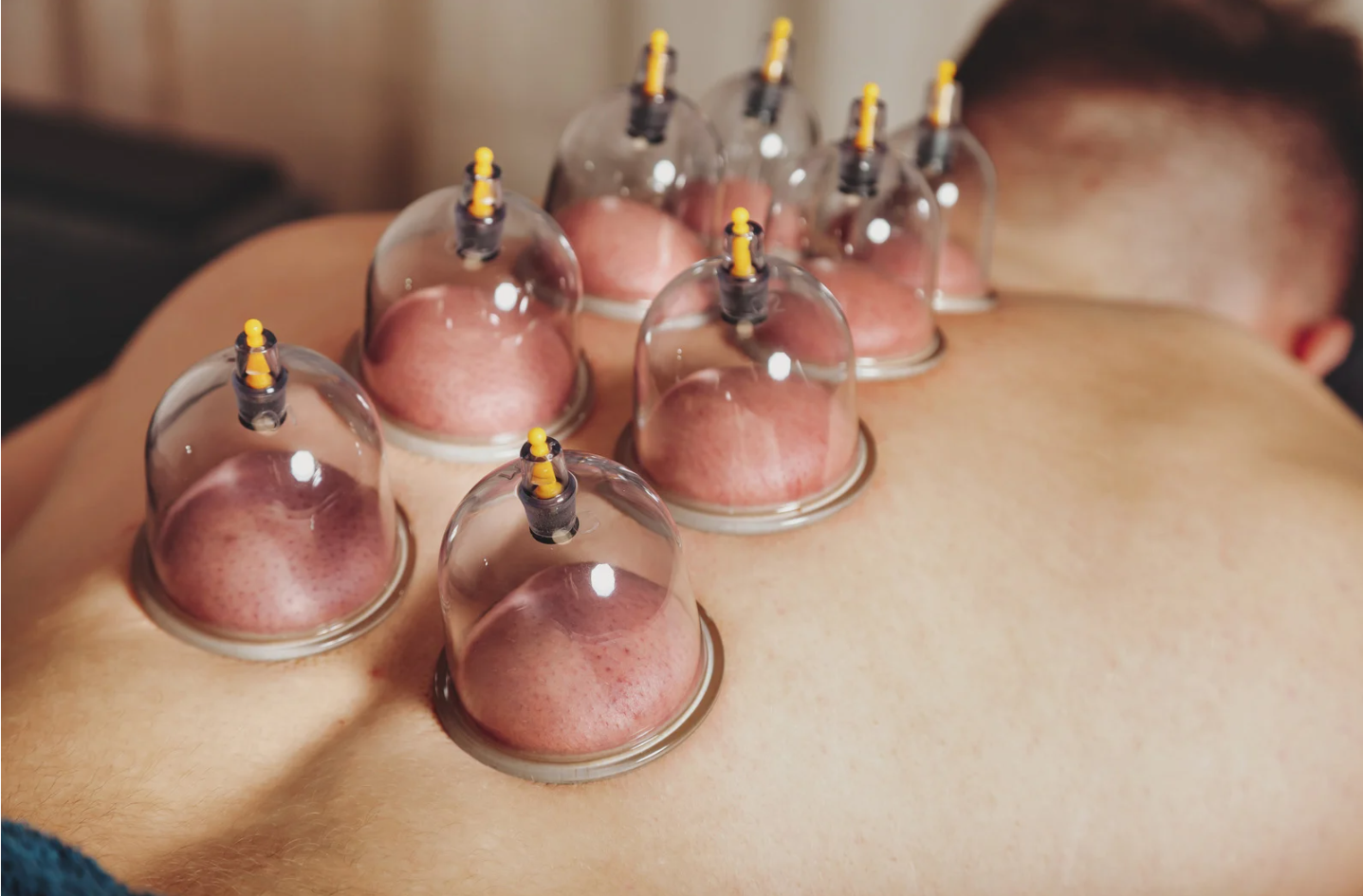
Cupping therapy is a traditional therapeutic technique in which cups are placed on specific areas of the body. Suction is created inside the cups, causing the skin and underlying tissues to gently lift.
Different forms of cupping are available. Dry cupping generally uses suction without making cuts to the skin, while wet cupping, also known as Hijama, involves controlled skin pricking or small superficial incisions followed by suction. Fire cupping is another technique in which heat is used to create suction inside the cup.
The type of cupping used depends on the individual's needs, the therapist's approach, and the purpose of the session.
How Can Cupping Help With Muscle Tension?
Muscle tension can develop because of exercise, repetitive movements, poor posture, prolonged sitting, physical strain, or stress. When muscles remain tight for extended periods, you may experience stiffness, soreness, restricted movement, or discomfort.
During cupping, suction lifts the skin and superficial tissues. This creates a different mechanical sensation over the targeted area and may temporarily change local blood flow and tissue sensation.
For people seeking relief from tight muscles, cupping may be used as part of a broader recovery and wellness approach alongside stretching, mobility work, massage, hydration, and appropriate exercise.
It is important to remember that individual experiences can vary, and cupping should not be considered a guaranteed treatment for every type of muscle pain.
Potential Benefits of Cupping Therapy
Cupping therapy is commonly used as a complementary wellness technique. Some people report feeling less muscle tightness and improved relaxation following a session.
Potential benefits may include:
1. Support for Muscle Relaxation
The suction created by the cups can provide a unique sensation over tight areas. Many people find the treatment relaxing, particularly when it is incorporated into a broader massage or recovery session.
2. Temporary Relief From Muscle Discomfort
People sometimes choose cupping when muscles feel sore or tight after workouts or physically demanding activities. Cupping may provide temporary relief for some individuals, although results can differ from person to person.
3. Improved Sense of Mobility
Tight muscles can make movement feel restricted. When combined with stretching and mobility exercises, cupping may help some people feel more comfortable moving the treated area.
4. Post-Workout Recovery Support
Athletes and fitness enthusiasts often include different recovery techniques in their routines. Cupping can be one complementary option alongside rest, stretching, adequate nutrition, hydration, and appropriate training.
5. Relaxation and Stress Reduction
Physical and emotional stress can contribute to muscle tension, particularly around the neck, shoulders, and back. A professional therapy session can provide an opportunity to slow down, relax, and focus on recovery.
Common Areas for Cupping
Cupping may be applied to different muscular areas depending on the individual's needs and professional assessment.
Common areas include:
- Upper back
- Lower back
- Shoulders
- Neck and surrounding muscles
- Thighs
- Calves
- Hamstrings
- Glutes
The exact placement of cups should be determined by a trained professional based on the person's condition, goals, and treatment suitability.
What Happens During a Cupping Session?
If it is your first experience with cupping, knowing what happens during a session can make the process more comfortable.
Step 1: Initial Discussion
A professional therapist should first discuss your concerns, lifestyle, physical activity, and areas of discomfort. This helps determine whether cupping is appropriate for you.
Step 2: Preparing the Treatment Area
The selected area is cleaned and prepared before the cups are applied.
Step 3: Applying the Cups
The therapist places cups on specific areas of the body and creates suction. You may feel a pulling or tight sensation as the cups attach to the skin.
Step 4: Treatment Period
The cups remain in place for a period determined by the therapist. You may experience pressure or stretching sensations, but the treatment should not cause severe pain.
Step 5: Removing the Cups
The suction is carefully released before the cups are removed. Your therapist may then recommend gentle stretching, hydration, or other recovery practices.
Are Cupping Marks Normal?
One of the most noticeable effects of cupping is the temporary circular marks that can appear on the skin.
These marks are generally caused by the suction and increased local blood flow under the cups. They can range from light red to darker shades depending on factors such as suction strength, skin sensitivity, and individual response.
The marks are usually temporary and gradually fade. Their appearance does not necessarily indicate how effective a session has been.
If you experience unusual swelling, severe pain, blistering, signs of infection, or other concerning symptoms, seek appropriate medical advice.
Is Cupping Painful?
Cupping usually creates a pulling, pressure, or stretching sensation. Some people describe the feeling as unusual but comfortable, while others may find stronger suction uncomfortable.
A professional therapist should adjust the treatment according to your comfort level. You should communicate immediately if the sensation becomes painful or concerning.
Cupping should never be treated as a competition to tolerate discomfort.
Who May Consider Cupping for Muscle Tension?
Cupping may be considered by people who experience occasional muscle tightness or who want to incorporate complementary recovery techniques into their wellness routine.
It may be particularly appealing to:
- Gym-goers
- Athletes
- Runners
- Fitness enthusiasts
- Office professionals
- People who experience everyday muscle tightness
- Individuals looking for complementary relaxation techniques
However, suitability depends on your individual circumstances. If you have a medical condition, take medications that affect bleeding, are pregnant, have skin problems, or have another health concern, consult an appropriate healthcare professional before receiving cupping.
Cupping vs Massage for Muscle Tension
Cupping and massage are different techniques.
Massage generally involves hands-on pressure and manipulation of muscles and soft tissues. Cupping uses suction created by cups placed on the skin.
Some wellness and recovery sessions combine different techniques depending on the client's needs. For example, a session may incorporate cupping with massage, stretching, or mobility work.
The right approach depends on your goals, the source of your discomfort, and professional assessment.
How to Prepare for a Cupping Session
A few simple steps can help make your session more comfortable:
- Stay adequately hydrated.
- Eat normally but avoid arriving overly full.
- Wear comfortable clothing that allows access to the treatment area.
- Inform your therapist about relevant health concerns.
- Tell your therapist if you are experiencing unusual pain.
- Follow aftercare recommendations provided by your therapist.
After your session, gentle movement and adequate hydration may help you feel comfortable as you return to your normal routine.
Choose Professional Cupping Therapy in Ranchi
If muscle tension is affecting your daily comfort or workout recovery, professional guidance can help you explore suitable wellness and recovery options.
At Twin Brothers Therapy, clients can explore professional recovery and wellness services designed around individual needs. Cupping therapy can be incorporated into a broader approach to muscle relaxation, recovery, mobility, and overall wellness.
Whether you are an athlete recovering after training, an office professional dealing with everyday muscle tightness, or someone simply looking for a complementary relaxation experience, professional guidance can help you understand which therapy may be suitable for your goals.
Muscle tension can affect your comfort and movement, but incorporating appropriate recovery practices into your routine can make a difference. Cupping therapy is one complementary technique that some people use to support muscle relaxation, recovery, and overall wellness.
From dry cupping to other forms of cupping therapy, choosing the right technique and working with a trained professional is important. Cupping should complement—not replace—appropriate medical care when you have persistent, severe, or unexplained pain.
If you're looking for cupping therapy in Ranchi and want to explore whether it fits your wellness or recovery goals, consider speaking with a qualified therapist first.
Ready to give your muscles the care they deserve? Contact
Twin Brothers Therapy today
and explore professional cupping and recovery therapy in Ranchi.
Related Articles
How Professional Massage Can Become Part of Your Wellness Routine
Discover how professional massage can support relaxation, recovery, and self-care. Explore massage therapy in Ranchi at Twin Brother’s Therapy.
Deep Tissue Massage in Ranchi | Twin Brothers Therapy
Looking for deep tissue massage in Ranchi? Discover how deep tissue therapy can help ease everyday muscle tension and support relaxation and recovery at Twin Brothers Therapy.
How Massage Therapy Can Support an Active Lifestyle in Ranchi
Discover how massage therapy in Ranchi can support recovery, relaxation, mobility, and an active lifestyle with personalized treatments at Twin Brothers Therapy.