How to Become a Professional Massage Therapist: Complete Beginner’s Guide
Massage therapy is a growing field for people who are interested in wellness, bodywork, relaxation, and helping others feel better. Becoming a professional massage therapist requires more than simply learning a few massage techniques. A good therapist needs knowledge of anatomy, massage methods, client communication, hygiene, safety, professional ethics, and practical hands-on skills.
If you are considering a career in massage therapy or want to learn professional massage techniques, proper training can provide the foundation you need to develop your skills confidently.
In this beginner's guide, we will explain how to become a professional massage therapist, what you need to learn, and how practical massage training can help you build your skills.
What Does a Professional Massage Therapist Do?
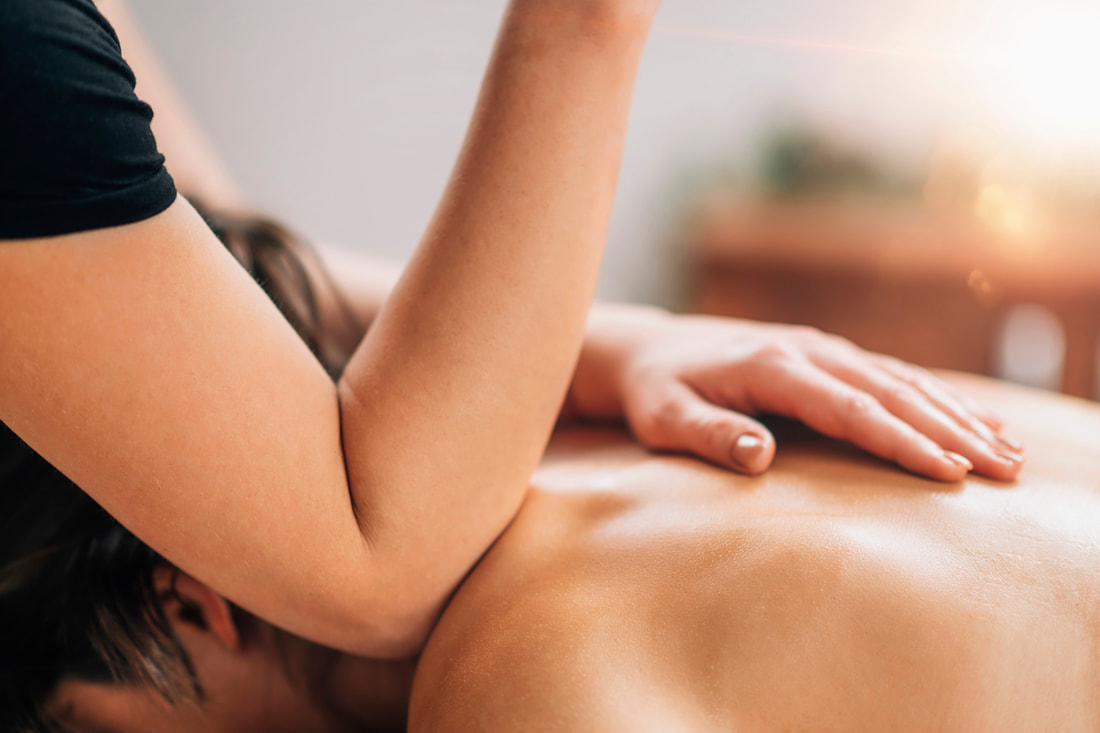
A professional massage therapist uses hands-on techniques to work with the body's soft tissues, including muscles and other surrounding tissues. Depending on their training and professional scope, therapists may use different massage techniques for relaxation, wellness, recovery, or other therapeutic purposes.
A professional massage therapist may work with clients who want:
- Relaxation and stress management
- General wellness and self-care
- Muscle relaxation
- Recovery after physical activity
- Sports-focused massage
- Deep tissue massage
- Swedish massage
- Other specialized massage techniques
Professional massage therapy involves understanding the client's needs and selecting appropriate techniques rather than simply applying the same pressure or movements to everyone.
Step 1: Understand the Basics of Massage Therapy
Before learning advanced techniques, beginners should understand the fundamentals of massage therapy.
This includes learning about:
- Basic massage principles
- Different massage techniques
- Massage pressure and movement
- Client positioning
- Professional communication
- Hygiene and cleanliness
- Basic safety considerations
- Professional boundaries
Understanding these fundamentals gives beginners a strong foundation before moving into more specialized forms of massage.
Step 2: Learn Basic Anatomy
Anatomy is an important part of massage therapy education.
A massage therapist works around different muscles, joints, and areas of the body, so understanding basic body structures can help students learn where and how different massage techniques are applied.
Beginners may study:
- Major muscle groups
- Musculoskeletal system
- Joints and movement
- Basic nervous system concepts
- Fascia and soft tissues
- Body positioning
- Common areas of muscular tension
You do not necessarily need to become an anatomy expert before starting massage training. However, developing a good understanding of basic anatomy can make practical learning much easier.
Step 3: Learn Essential Massage Techniques
Once you understand the fundamentals, the next step is learning practical massage techniques.
Depending on the training program, students may learn techniques such as:
Swedish Massage
Swedish massage is commonly associated with flowing movements and relaxation-focused massage. Beginners may learn foundational techniques such as gliding movements, kneading, and other controlled manual techniques.
Deep Tissue Massage
Deep tissue massage involves more focused work on deeper layers of muscle and soft tissue. Proper training is particularly important because pressure and technique need to be adapted appropriately for the client.
Sports Massage
Sports massage training introduces techniques commonly used around physical activity and athletic recovery. Students can learn how massage approaches may differ depending on activity, timing, and individual requirements.
Cupping Therapy
Cupping involves placing cups on selected areas of the body to create suction. Anyone learning cupping should receive appropriate practical instruction, including understanding technique, safety, hygiene, and situations where treatment may not be appropriate.
Step 4: Develop Practical Hands-On Skills
Massage is a practical profession. Reading about massage techniques is useful, but practical experience is essential for developing proper hand positioning, pressure control, movement, posture, and communication.
During hands-on training, beginners can learn how to:
- Position a client appropriately
- Maintain professional draping and privacy
- Apply controlled pressure
- Perform massage movements correctly
- Maintain proper body mechanics
- Communicate with clients during a session
- Adjust techniques based on client feedback
Regular supervised practice can help beginners become more comfortable and consistent with their techniques.
Step 5: Learn Client Consultation and Communication
A professional massage session should begin with appropriate communication.
Before performing a massage, a therapist should understand the client's expectations and relevant information. This may include discussing areas of concern, previous experiences, preferences, and information that could affect whether or how a massage should be performed.
Good communication also continues throughout the session.
A therapist should be able to ask questions such as:
- Is the pressure comfortable?
- Is the positioning comfortable?
- Is there any area you want to avoid?
- Are you experiencing any discomfort?
Professional communication helps create a respectful and comfortable client experience.
Step 6: Understand Massage Safety and Contraindications
Safety is one of the most important parts of massage education.
Beginners should learn that massage is not appropriate in every situation and that certain health conditions or circumstances may require avoiding, modifying, or postponing massage.
Training should introduce students to:
- Basic contraindications
- Client screening
- Hygiene practices
- Safe positioning
- Pressure control
- When techniques should be modified
- When professional medical advice may be appropriate
A responsible massage therapist understands their professional boundaries and does not attempt to diagnose or treat conditions outside their scope.
Step 7: Choose the Right Massage Training Program
If you want to become a professional massage therapist, choosing suitable training is an important decision.
When comparing massage training programs, look for a curriculum that includes both theory and practical learning.
Consider whether the program covers:
- Massage fundamentals
- Anatomy basics
- Massage techniques
- Practical hands-on training
- Client consultation
- Safety and contraindications
- Hygiene
- Professional conduct
- Specialized massage techniques
It is also useful to understand who provides the training, how much practical instruction is included, and whether the course is appropriate for your experience level and career goals.
Step 8: Continue Developing Your Skills
Massage therapy is a skill that improves through practice and continued education.
After learning foundational techniques, therapists may choose to develop additional skills in areas such as:
- Deep tissue massage
- Sports massage
- Swedish massage
- Cupping therapy
- Relaxation massage
- Other specialized modalities
Continuing education can help therapists expand their knowledge and keep developing their practical abilities.
Can Beginners Learn Massage Therapy?
Yes, beginners can start learning massage therapy with appropriate foundational training and supervised practice.
You do not need to know every massage technique before beginning. A structured learning process can take you from basic concepts and anatomy to practical techniques and professional client care.
The important thing is to learn progressively and prioritize proper technique, safety, and professional practice rather than trying to learn advanced techniques without adequate instruction.
Start Your Massage Therapy Learning Journey
Becoming a professional massage therapist is a process that combines education, practical training, anatomy knowledge, communication, safety awareness, and continued practice.
If you are interested in learning massage therapy professionally, starting with structured training can help you develop the right foundation and understand how different massage techniques are performed.
Learn Massage Therapy with Twin Brothers Therapy
Twin Brothers Therapy is focused on professional massage therapy and practical knowledge. If you are interested in massage training, massage techniques, anatomy, and professional massage education, connect with Twin Brothers Therapy to learn more about available training opportunities.
Ready to start learning massage therapy? Contact Twin Brothers Therapy today and take the first step toward developing your professional massage therapy skills.
Call Twin Brothers Therapy to enquire
about massage training and available programs.
Related Articles
Steam Bath in Ranchi: Benefits, Uses and What to Expect
Discover the benefits of steam bath therapy in Ranchi for relaxation, wellness and recovery. Book a steam bath session at Twin Brother's Therapy today.
How Professional Massage Can Become Part of Your Wellness Routine
Discover how professional massage can support relaxation, recovery, and self-care. Explore massage therapy in Ranchi at Twin Brother’s Therapy.
Deep Tissue Massage in Ranchi | Twin Brothers Therapy
Looking for deep tissue massage in Ranchi? Discover how deep tissue therapy can help ease everyday muscle tension and support relaxation and recovery at Twin Brothers Therapy.