Massage for Stress Relief in Ranchi: What You Need to Know
Modern life can be demanding. Long working hours, busy schedules, excessive screen time, commuting, physical activity, and everyday responsibilities can leave people feeling mentally tired and physically tense. When stress becomes part of the daily routine, finding healthy ways to relax and recharge becomes increasingly important.
Stress release therapy in Ranchi can be one option for people who want to make relaxation and self-care a more regular part of their lifestyle. Massage-based therapies can provide a dedicated opportunity to slow down, relax the body, and address areas where everyday tension tends to build up.
Massage therapy involves manipulating soft tissues through different pressures, movements, and techniques. Professional massage may support relaxation, reduce feelings of muscle tension, and contribute to overall wellness.
If you are considering a stress release session for the first time, knowing what to expect can make the experience more comfortable and help you choose a treatment that suits your needs.
What Is Stress Release Therapy?
Stress release therapy generally refers to therapeutic or wellness approaches designed to encourage relaxation and help people manage physical tension associated with everyday stress.
Massage is one of the commonly used approaches. Depending on your needs, a session may involve gentle massage techniques, focused work on tense areas, stretching, or other complementary wellness practices.
The objective is not necessarily to provide an intense treatment. For someone primarily seeking relaxation, a comfortable massage with gentle or moderate pressure may be more appropriate than a very deep technique.
Massage therapy may help promote relaxation and ease muscle tension, while some people also report improvements in mood and sleep after massage.
Why Do People Seek Stress Release Therapy?
Stress can affect more than your thoughts and emotions. It can also be reflected physically through tense shoulders, a stiff neck, tired legs, headaches, or general body discomfort.
People may consider stress release therapy when they:
- Feel mentally exhausted after demanding workdays
- Spend long hours sitting at a desk
- Experience everyday neck or shoulder tension
- Have physically demanding routines
- Want dedicated time for relaxation
- Feel that they need a break from their regular schedule
- Want
to include massage in their wellness routine
However, massage should complement healthy lifestyle habits rather than replace appropriate medical or mental-health care.
What to Expect Before Your Session
Your experience generally begins before the actual massage.
A professional therapist may ask about your expectations, areas of tension, lifestyle, physical activity, and preferred pressure. This conversation is important because there is no single massage routine that works for everyone.
For example, if your main goal is relaxation, you may prefer a gentler approach. If your body feels tight after exercise or prolonged sitting, you can discuss whether a more focused therapeutic technique would be appropriate.
Be open with your therapist about what you want from the session. Professional massage providers can tailor techniques to individual needs and comfort levels.
Creating a Comfortable Environment
A calm environment can make a significant difference during a stress release session.
A professional massage setting may use comfortable lighting, a quiet atmosphere, soothing music, and appropriate privacy to help clients relax.
The environment should also be clean and hygienic. Fresh linens, clean treatment areas, and professional conduct are important factors to consider when selecting a massage centre.
Your comfort should remain a priority throughout the appointment.
What Happens During the Massage?
Once the session begins, the therapist may use different massage movements depending on the treatment selected.
These can include:
- Gentle gliding movements
- Kneading
- Controlled pressure
- Focused work on areas of muscle tension
- Stretching or mobility techniques
- Other complementary techniques when appropriate
A relaxation-focused massage is generally intended to feel calming rather than excessively intense.
If you are receiving therapeutic massage, the therapist may spend more time working on specific areas of concern. The experience can vary considerably depending on the techniques used and the purpose of the session.
Communication Is Important
One of the most important things to remember during massage therapy is that you should communicate with your therapist.
Everyone has a different tolerance for pressure. What feels comfortable to one person may feel too strong to another.
Tell your therapist if:
- The pressure is too strong
- You want lighter pressure
- You feel uncomfortable
- A particular area is sensitive
- You want to change your position
- You have questions about the technique
You do not need to tolerate uncomfortable pain simply because you think a massage needs to be intense to be effective. Professional massage guidance emphasizes communicating when pressure becomes uncomfortable.
Choosing the Right Massage for Stress Relief
Different massage techniques can provide different experiences.
Swedish Massage
Swedish massage is commonly associated with relaxation and uses flowing movements with generally gentle to moderate pressure. It can be a suitable option for people who want a calming massage experience or are new to massage therapy.
Deep Tissue Massage
Deep tissue massage involves more focused pressure and may be considered when muscle tightness is a major concern. It is not necessarily the best choice for everyone seeking stress relief, particularly if relaxation is the primary goal.
Discuss the appropriate pressure with your therapist before choosing a deeper technique.
Sports Massage
People who exercise regularly may consider sports massage as part of a broader recovery routine. It can focus on muscles that experience repeated physical demand.
Stretching Sessions
Assisted stretching can complement massage by focusing on flexibility and comfortable movement. This can be especially relevant for people who spend long hours sitting or have physically active lifestyles.
Cupping Therapy
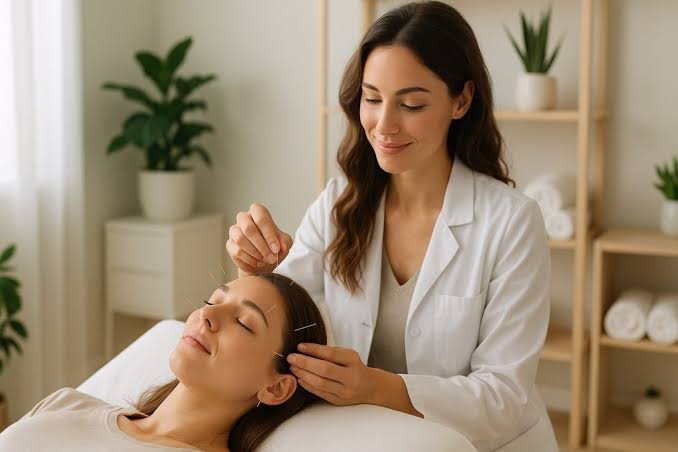
Some wellness centres also offer cupping therapy as a complementary treatment. Cupping uses suction cups and differs from conventional massage techniques. If you are considering it, discuss whether it is appropriate for your individual circumstances with a qualified practitioner.
Stress Release Therapy for Office Professionals
Office workers often spend several hours sitting in the same position, using computers or mobile devices. This lifestyle can contribute to physical tension, particularly around the neck, shoulders, and back.
Massage can be included as one part of a broader wellness strategy.
For better everyday well-being, combine massage with:
- Regular walking breaks
- Gentle stretching
- Proper workstation setup
- Good posture
- Regular exercise
- Adequate sleep
- Sufficient hydration
Massage alone cannot correct poor posture or replace movement, but it can provide dedicated time for relaxation and physical self-care.
Stress Release Therapy for Active Individuals
Exercise is beneficial for overall health, but intense physical activity can also leave muscles feeling tired or tight.
Fitness enthusiasts and athletes may incorporate massage into their recovery routines alongside rest, hydration, nutrition, stretching, and appropriate training.
If you have recently completed a demanding workout, tell your therapist. This information can help them understand which areas may need attention and what level of pressure may be appropriate.
What to Do After Your Session
After a stress release massage, give yourself some time to transition back into your normal routine.
You may want to:
- Drink water
- Avoid immediately rushing into demanding activities
- Practice gentle stretching
- Get adequate rest
- Pay attention to how your body feels
- Continue healthy stress-management habits
A massage session can provide a temporary opportunity to relax, but long-term wellness also depends on what you do between sessions.
How Often Should You Get Stress Release Therapy?
There is no universal schedule for massage therapy.
Some people may book an occasional session when they feel particularly stressed, while others may include massage more regularly as part of their wellness routine.
Your ideal frequency depends on your lifestyle, activity level, personal goals, comfort, and professional recommendations.
Instead of focusing on how often you "should" get a massage, consider whether the schedule is practical and sustainable for you.
When Should You Avoid Massage?
Although massage can be suitable for many people, it is not appropriate in every situation.
If you have an acute injury, fever, infection, open wound, unexplained swelling, recent surgery, or certain medical conditions, consult an appropriate healthcare professional before receiving massage therapy.
People taking blood-thinning medication or those with conditions that may increase the risk of complications should also seek medical advice before certain massage techniques.
If stress is severe, persistent, or significantly affecting your daily life, consider speaking with a qualified mental-health professional rather than relying on massage alone.
Choosing Stress Release Therapy in Ranchi
When searching for stress release therapy in Ranchi, don't choose a provider based only on price or the name of the treatment.
Consider:
- Professional experience – Look for trained therapists who understand different massage techniques.
- Clean environment – Hygiene and cleanliness should be priorities.
- Personalized approach – Your therapist should listen to your requirements.
- Comfort and privacy – You should feel comfortable throughout the session.
- Treatment options – Choose a centre offering services that match your wellness goals.
- Communication – The therapist should be willing to adjust pressure and techniques based on your comfort.
For people in Ranchi looking for massage and wellness services, Twin Brother's Therapy is located on Kanke Road and offers services including sports massage, cupping therapy, and other massage-focused treatments. Twin Brother's therapy
Making Stress Relief Part of Your Lifestyle
One massage session can provide an opportunity to relax, but developing a sustainable wellness routine can be even more valuable.
Consider combining professional massage with simple daily habits such as:
- Taking short breaks during work
- Going for regular walks
- Practicing breathing exercises
- Getting sufficient sleep
- Limiting unnecessary screen time
- Staying hydrated
- Exercising regularly
- Making time for hobbies and relaxation
These habits can help you create a more balanced approach to managing everyday stress.
Stress release therapy can provide valuable time to slow down, relax, and focus on your physical well-being. Massage therapy may help promote relaxation and ease everyday muscle tension, making it a useful complement to a healthy lifestyle.
If you are considering stress release therapy in Ranchi, start by identifying your main goal, whether it is relaxation, muscle comfort, recovery, or simply creating more time for self-care. Choose a professional, hygienic centre, communicate openly with your therapist, and select a treatment that matches your comfort level.
At Twin Brother's Therapy, you can explore professional massage and complementary wellness services designed around different needs.
Feeling stressed or physically tense? Take time for
yourself with professional stress release therapy at Twin Brother's Therapy
in Ranchi and make relaxation part of your wellness routine.
Related Articles
How Professional Massage Can Become Part of Your Wellness Routine
Discover how professional massage can support relaxation, recovery, and self-care. Explore massage therapy in Ranchi at Twin Brother’s Therapy.
Deep Tissue Massage in Ranchi | Twin Brothers Therapy
Looking for deep tissue massage in Ranchi? Discover how deep tissue therapy can help ease everyday muscle tension and support relaxation and recovery at Twin Brothers Therapy.
How Massage Therapy Can Support an Active Lifestyle in Ranchi
Discover how massage therapy in Ranchi can support recovery, relaxation, mobility, and an active lifestyle with personalized treatments at Twin Brothers Therapy.