Theory vs Practical Training in Massage Therapy in Ranchi: What Beginners Should Know
If you are interested in becoming a professional massage therapist, learning massage therapy involves more than memorizing techniques or watching demonstrations. A strong massage training program combines theoretical knowledge with practical, hands-on training to help beginners understand both the principles behind massage and how those principles are applied during a professional session.
For anyone looking for massage training in Ranchi, understanding the difference between theory and practical training can help you choose an educational approach that supports proper skill development.
At Twin Brothers Therapy, massage education can be approached as a combination of knowledge, technique, practice, safety, and professional client care.
What Is Theory Training in Massage Therapy?
Theory training focuses on the knowledge and concepts that form the foundation of massage therapy. Before performing techniques confidently, students need to understand the body, massage principles, client requirements, and basic safety considerations.
Massage therapy theory may include subjects such as:
- Basic human anatomy
- Muscles and major muscle groups
- Basic physiology
- Massage therapy principles
- Types of massage techniques
- Client consultation
- Massage contraindications
- Hygiene and sanitation
- Professional ethics
- Client communication
- Basic body mechanics
For beginners, theoretical knowledge helps answer an important question: Why is a particular massage technique being used?
Instead of simply copying hand movements, students can develop a better understanding of the purpose, pressure, positioning, and appropriate application of different techniques.
Why Is Theory Important in Massage Therapy Training?
Theory provides the foundation for safe and informed practical work.
For example, a student learning deep tissue massage should understand that deeper pressure is not automatically better. The therapist needs to understand client comfort, body areas, technique selection, pressure control, and situations where a particular approach may need to be modified or avoided.
Similarly, learning anatomy can help a student understand where major muscles are located and how body movement relates to different muscle groups.
Theoretical education can therefore help massage students develop:
- Better understanding of the human body
- Knowledge of massage techniques
- Awareness of safety considerations
- Better client communication
- Professional decision-making skills
- A foundation for practical learning
What Is Practical Training in Massage Therapy?
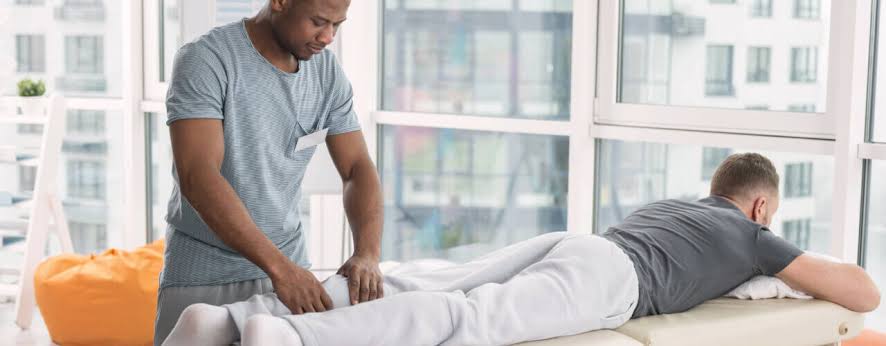
Practical training is the hands-on part of massage education.
Instead of only reading about a technique, students actually practice the movements under appropriate guidance. This helps develop coordination, pressure control, positioning, body mechanics, and confidence.
Practical massage training may involve learning how to:
- Position the client correctly
- Prepare the massage environment
- Perform basic massage movements
- Control pressure
- Maintain proper hand positioning
- Use appropriate body mechanics
- Communicate with the client
- Adjust techniques based on feedback
- Maintain professional hygiene
- Complete a structured massage session
Massage is a hands-on skill, so practical experience plays an important role in learning how techniques feel and how they should be applied.
Theory vs Practical Training: What's the Difference?
The easiest way to understand the difference is:
Theory teaches you what, why, and when. Practical
training teaches you how.
For example, a student may learn about effleurage during theory training. They may understand what the technique is, its general purpose, and the principles behind it.
During practical training, the student learns how to actually perform the movement, control pressure, maintain rhythm, position the client, and use proper body mechanics.
Both forms of education work together.
Theory Training
Theory generally focuses on:
- Knowledge
- Anatomy
- Massage principles
- Safety
- Technique concepts
- Client assessment
- Professional practices
Practical Training
Practical training focuses on:
- Hands-on techniques
- Pressure control
- Body positioning
- Client interaction
- Movement and rhythm
- Technique application
- Practical confidence
Why Practical Experience Matters
Reading a massage textbook or watching an instructional video can provide useful information, but it cannot completely replace supervised hands-on practice.
A beginner may understand the steps of a massage technique but still need practice to develop:
- Consistent pressure
- Correct hand positioning
- Proper movement
- Appropriate posture
- Smooth transitions
- Client communication
- Professional confidence
Practical training allows students to identify areas where they need improvement and gradually develop better technique.
Why You Need Both Theory and Practical Training
Choosing between theory and practical training is not really an either-or decision.
Professional massage education requires both.
Imagine learning to drive only by reading a driving manual. You may understand traffic rules and vehicle controls, but practical driving experience is still necessary.
Massage training works in a similar way.
Theory provides the knowledge needed to understand the body, techniques, safety, and professional responsibilities. Practical training allows students to apply that knowledge through hands-on practice.
Together, they create a more complete learning experience.
The Role of Anatomy in Practical Massage Training
Anatomy is particularly important because massage therapists work directly with different areas of the body.
Understanding basic anatomy can help students learn about:
- Major muscle groups
- Muscle location
- Joints and movement
- Soft tissues
- Body positioning
- Areas requiring appropriate care
When students combine anatomy knowledge with practical
massage training, they can better understand how techniques are applied rather
than simply memorizing movements.
Safety Should Be Part of Both Theory and Practical
Training
Massage training should also emphasize safety.
Students should learn basic concepts related to client screening, contraindications, hygiene, pressure, positioning, and professional boundaries.
Theory can explain why certain situations require caution, while practical training can help students understand how to communicate with clients and apply techniques appropriately.
A responsible massage therapist also understands their professional scope and knows when a client may need to seek advice from an appropriate healthcare professional.
How to Choose Massage Training in Ranchi
If you are searching for massage training in Ranchi, don't look only at the number of techniques included in a program.
Consider whether the training provides a balance of:
- Massage therapy theory
- Basic anatomy education
- Hands-on practical training
- Technique demonstrations
- Supervised practice
- Safety education
- Client communication
- Professional hygiene
- Different massage modalities
- Opportunities to improve practical skills
A balanced approach can help beginners build a stronger foundation for their massage therapy journey.
Start Learning Massage Therapy with Twin Brothers Therapy
If you want to develop your knowledge and practical understanding of massage therapy, Twin Brothers Therapy can be a starting point for exploring massage education and training opportunities in Ranchi.
Whether you are a complete beginner interested in learning massage therapy, someone looking to understand different massage techniques, or an aspiring professional interested in developing practical massage skills, structured learning can help you build your foundation.
Ready to Learn Massage Therapy?
Contact Twin Brothers Therapy today to learn more about massage training and educational opportunities in Ranchi.
Take the first step toward developing your knowledge, practical skills, and confidence in professional massage therapy.
Twin Brothers Therapy — Learn. Practice. Develop Your
Massage Therapy Skills.
Related Articles
How to Become a Professional Massage Therapist: Complete Beginner’s Guide
Learn how to become a professional massage therapist with this beginner’s guide covering massage training, anatomy, techniques, safety, and practical skills.
Steam Bath in Ranchi: Benefits, Uses and What to Expect
Discover the benefits of steam bath therapy in Ranchi for relaxation, wellness and recovery. Book a steam bath session at Twin Brother's Therapy today.
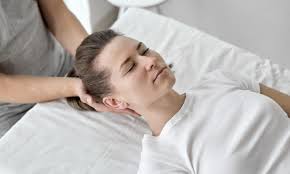
How Professional Massage Can Become Part of Your Wellness Routine
Discover how professional massage can support relaxation, recovery, and self-care. Explore massage therapy in Ranchi at Twin Brother’s Therapy.