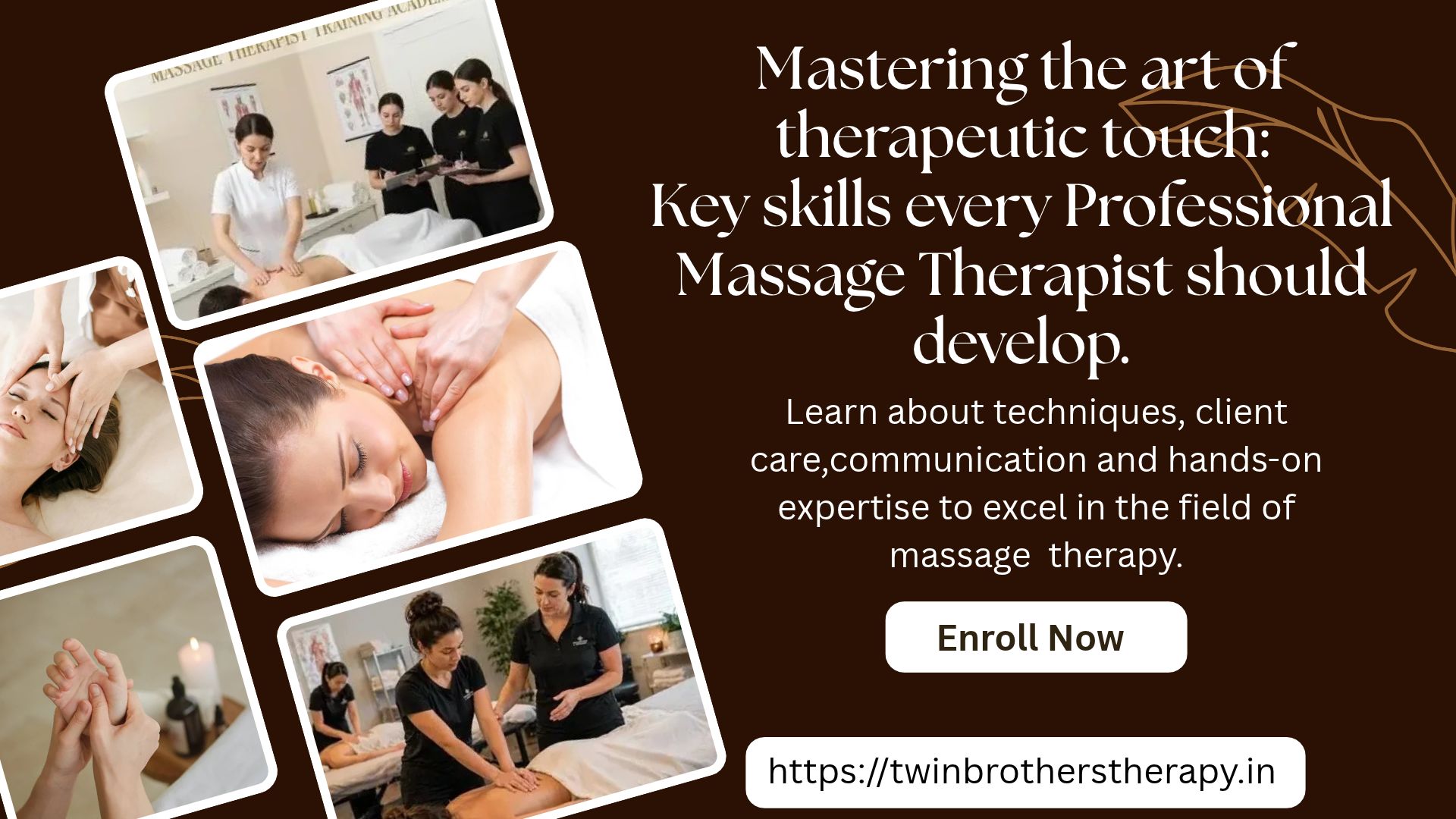
Essential Skills Every Professional Massage Therapist Needs to Master
Why Skills Matter in Massage Therapy
Massage therapy can be a valuable part of recovery and
wellness, but it is not a one-size-fits-all service. A trained practitioner
should adapt pressure, positioning, and techniques to each person’s goals,
health history, and comfort level.
For students and aspiring therapists, developing these skills early builds trust with clients and creates a safer, more professional practice. It also helps therapists work confidently alongside athletes, coaches, physiotherapists, and other healthcare providers when appropriate.
Anatomy and Physiology
A professional massage therapist should understand muscles,
joints, tendons, ligaments, fascia, circulation, and the nervous system. This
knowledge helps the therapist identify which area may need attention and
understand why certain movements or positions cause discomfort.
Anatomy knowledge also supports safe practice. For example, a therapist should know when an area is unsuitable for deep or vigorous work, such as skin that is wounded or otherwise compromised.
What to study
- Major
muscle groups, their actions, and common referral patterns.
- Skeletal
landmarks and safe body positioning.
- Basic
biomechanics, posture, and movement patterns.
- Circulation,
inflammation, and normal tissue-healing timelines.
- Nervous-system responses to touch, pressure, and relaxation.
Client Assessment and History Taking
Every session should begin with a clear conversation. A
therapist needs to ask about the client’s main concern, activity level, past
injuries, medical conditions, medications, allergies, and treatment goals.
Good assessment is not about diagnosing medical conditions. It is about gathering enough information to decide whether massage is appropriate, what techniques may help, and when to refer the client to a qualified healthcare professional.
A practical intake process
- Ask
what the client wants from the session.
- Review
relevant health history and contraindications.
- Observe
posture and movement, where appropriate.
- Check
comfort with pressure, temperature, oils, and positioning.
- Reassess
during the session and adjust the plan as needed.
- Document key findings and aftercare advice.
Communication Skills
Clear communication is one of the most important
professional massage therapist skills. Clients should understand what will
happen during the session, what sensations are normal, and how to give feedback
about pressure or discomfort.
Professional standards emphasize informed consent, client participation, accurate communication about services, and respect for client privacy.
Communication tips
- Use
plain language instead of complicated clinical terms.
- Ask
for consent before beginning and before changing techniques.
- Check
pressure regularly, especially during deep-tissue or sports massage.
- Listen
without interrupting when clients describe pain or concerns.
- Maintain professional boundaries and protect client confidentiality.
Massage Techniques and Adaptability
A competent therapist should be comfortable with
foundational techniques such as effleurage, petrissage, friction, compression,
stretching, and trigger-point work. Different clients need different
approaches: an office worker with neck tension may need a very different
session from an athlete preparing for competition.
Sports massage therapy, for example, often focuses on muscular recovery, stiffness, performance support, and pain management. However, the therapist must still base every session on the individual’s condition, sport demands, and tolerance for pressure.
Core techniques to develop
- Swedish
massage for relaxation and general circulation.
- Deep-tissue
techniques, used carefully and only when appropriate.
- Sports
massage for pre-event, post-event, and recovery support.
- Myofascial
and soft-tissue techniques.
- Cupping
therapy, with proper training and clear client consent.
- Assisted stretching and mobility work.
Safety, Hygiene, and Contraindications
Massage is generally low risk when provided by a trained
practitioner, but safety should never be treated as an afterthought. Certain
situations require caution, modification, or referral, including pregnancy,
bleeding disorders, anticoagulant use, recent injuries, and areas with wounds
or compromised skin.
Therapists should maintain clean linens, sanitize equipment, practice good hand hygiene, and use appropriate draping. They should also recognize warning signs that require stopping treatment and seeking medical guidance.
Key safety habits
- Screen
for medical conditions before treatment.
- Obtain
informed consent and document the session.
- Avoid
forceful work over wounds, inflamed areas, or unsuitable regions.
- Adjust
pressure for older adults, people with medical conditions, and first-time
clients.
- Refer clients to a physician, physiotherapist, or emergency service when symptoms suggest a problem beyond massage scope.
Professionalism and Ethics
Professionalism includes punctuality, clean presentation,
honest marketing, respectful language, and clear boundaries. It also means
recognizing the limits of one’s training and never promising a cure.
Ethical practice requires respecting client autonomy, maintaining privacy, documenting accurately, and communicating honestly about what massage can and cannot do.
Continuing Education
Massage therapy evolves through research, new techniques,
and better understanding of pain and recovery. A professional therapist should
continue learning through certified courses, supervised practice, peer
discussion, and reliable health resources.
Continuing education is especially important for therapists working with athletes, chronic pain clients, pregnant clients, or people recovering from injury. It helps ensure that techniques remain safe, current, and evidence-informed.
Frequently Asked Questions (FAQs)
1. What are the most important skills for a massage
therapist?
The most important skills include anatomy knowledge, client
assessment, communication, safe massage techniques, hygiene, professionalism,
and continuing education. These skills help therapists provide safe,
client-centered care.
2. Why is anatomy important in massage therapy?
Anatomy helps a therapist understand muscles, joints,
movement, and possible sources of discomfort. It also helps them avoid unsafe
pressure and choose suitable techniques for each client.
3. What should a massage therapist ask before a session?
A therapist should ask about the client’s goals, pain or
injury history, medical conditions, medications, allergies, recent activity,
and pressure preferences. This supports informed consent and safer treatment
planning.
4. Is deep-tissue massage safe for everyone?
No. Deep or forceful massage may not be suitable for people
with certain medical conditions, including bleeding disorders, anticoagulant
use, or compromised skin. A qualified therapist should screen for risks and
modify or refer when necessary.
5. How can a massage therapist build trust with clients?
Trust grows through clear communication, respectful
boundaries, clean and comfortable surroundings, consistent professionalism, and
honest explanations about treatment. Clients should always feel able to ask
questions or request adjustments.
6. What is the difference between relaxation massage and
sports massage?
Relaxation massage usually focuses on general comfort,
stress relief, and circulation. Sports massage is more goal-specific and may
support athletic recovery, muscle stiffness, and performance-related concerns,
but it still requires individual assessment.
7. Do massage therapists need continuing education?
Yes. Continuing education helps therapists stay updated on
safety, technique, ethics, and evidence-based practice. It is especially
valuable for those working with athletes or clients with complex health needs.
8. When should a massage therapist refer a client
elsewhere?
A therapist should refer a client when symptoms
suggest a medical issue outside the massage scope, such as unexplained severe
pain, suspected fracture, signs of infection, or a condition requiring medical
assessment.
Sources
- National
Center for Complementary and Integrative Health (NCCIH), Massage
Therapy: What You Need To Know — https://www.nccih.nih.gov/health/massage-therapy-what-you-need-to-knownccih.nih
- NCCIH,
Complementary Health Approaches for Chronic Pain: What the Science Says
— https://www.nccih.nih.gov/health/providers/digest/complementary-health-approaches-for-chronic-pain-sciencenccih.nih
- NCCIH,
Low-Back Pain and Complementary Health Approaches — https://www.nccih.nih.gov/health/low-back-pain-and-complementary-health-approaches-what-you-need-to-knownccih.nih
- American
Massage Therapy Association (AMTA), Core Documents — https://www.amtamassage.org/about/core-documents/amtamassage
- AMTA,
Standards of Practice for Massage Therapy — https://www.amtamassage.org/about/news/standards-of-practice/amtamassage
- AMTA,
Drawing a Line: Defining Boundaries for Massage Therapists — https://www.amtamassage.org/publications/massage-therapy-journal/ethical-boundaries/amtamassage
- Federation
of State Massage Therapy Boards (FSMTB), Model Massage Therapy Practice
Act — https://fsmtb.org/wp-
Key Takeaways
- •Strong anatomy and physiology knowledge to understand muscles, joints, movement, and safe treatment areas.
- •Client assessment skills to review health history, identify concerns, and create an appropriate session plan.
- •Clear communication for informed consent, pressure feedback, boundaries, and client comfort.
- •Practical massage techniques including Swedish, deep tissue, sports massage, stretching, and cupping therapy.
- •Safety awareness and contraindication screening to protect clients with medical conditions or specific risks.
- •Hygiene and professional standards through clean linens, sanitized tools, proper draping, and ethical conduct.
- •Sports massage and recovery knowledge for athletes, active individuals, and muscular pain management.
- •Professionalism and ethics including confidentiality, respect, punctuality, and honest client communication.
- •Continuing education to stay updated on evidence-informed techniques and industry standards.
- •Adaptability to customize every session based on the client’s goals, condition, and comfort level.
Related Articles
Sports Massage Training in Jharkhand: Courses, Skills & Career Opportunities
Explore sports massage training in Jharkhand, essential skills, course selection, certification checks and career opportunities for aspiring therapists.

Massage Therapy Certification in India: What Students Need to Know
Learn about massage therapy certification in India, trainer qualifications, practical training, certificate credibility, and how to choose suitable training.
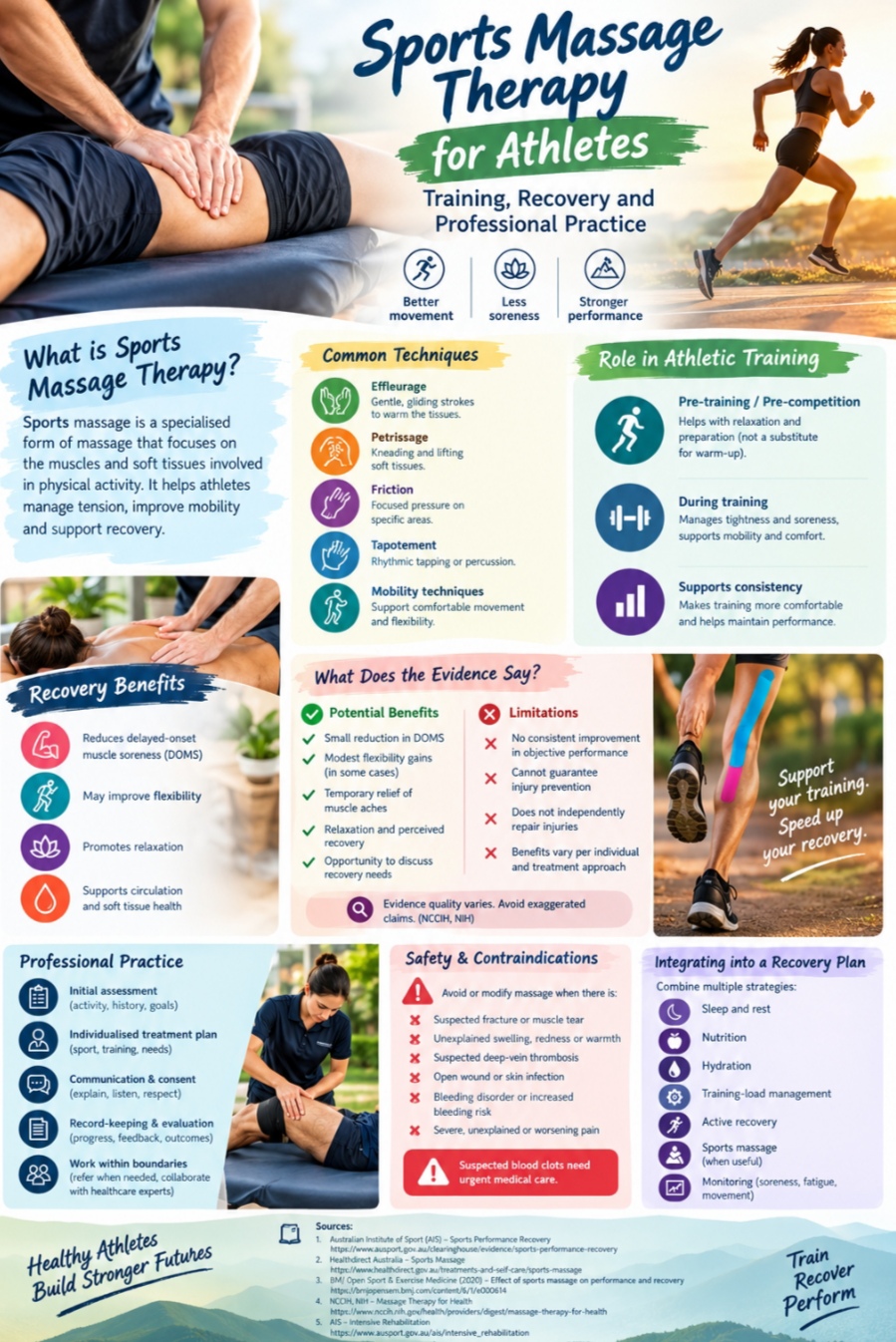
Sports Massage Therapy for Athletes : Recovery and Training
Sports Massage therapy for Athletes: training , Recovery And Professional Practice.Athletes constantly challenge their bodies. Whether a person is pre