
Massage Therapy Certification in India: What Students Need to Know
Massage therapy is an area of growing interest for people exploring opportunities in sports, wellness, fitness, and physical recovery. For aspiring students, however, entering this field involves more than learning massage techniques or obtaining a certificate. Understanding the value of training, the experience of an instructor, and the importance of safe, responsible practice is equally essential.
In India, students may encounter different types of massage therapy education, from introductory skill development to specialised professional training. Each programme can differ in its curriculum, practical instruction, assessment methods, and the status of the certificate it awards. Knowing how to evaluate these differences can help students make informed decisions and choose learning opportunities that align with their professional goals.
Practical experience is particularly relevant in sports massage therapy, where understanding muscular function, physical activity, individual needs, and appropriate techniques contributes to responsible practice. At Twin Brothers Therapy, Kush Kumar's professional background in sports massage therapy provides a relevant perspective on the importance of practical expertise and focuses on scientific sports massage techniques aimed at supporting physical recovery, reducing muscle stiffness and helping athletes and individuals maintain physical performance.
This guide explains what massage therapy certification means in India, how students can assess trainer qualifications, and what to consider when exploring suitable training opportunities.
10 Key Highlights: Massage Therapy Certification in India
Massage therapy certification may represent course completion, practical assessment, or demonstrated skills, depending on the programme.
A training certificate does not automatically establish government recognition or authorisation to practise.
General wellness massage and sports massage have different purposes and learning requirements.
Trainer qualifications should be relevant to the techniques and subjects being taught.
Supervised hands-on practice is important for developing practical massage skills.
Anatomy, hygiene, communication, consent, and safety are essential considerations in massage education.
Eligibility requirements, training methods, assessment, and duration vary between providers.
Students should examine the curriculum and certificate details before enrolling.
Claims about accreditation, professional recognition, or employment opportunities should be supported by clear evidence.
The right training pathway should reflect the student's experience, career objectives, and intended professional setting.
1. Understanding Massage Therapy Certification and Training Pathways in India
What Does Massage Therapy Certification Mean?
Massage therapy certification generally refers to a document issued after a person completes a training programme or meets its stated assessment requirements. Depending on the provider, the certificate may confirm attendance, completion of a learning module, successful examination, or demonstrated practical competence.
However, not all certificates carry the same meaning or professional value. A certificate issued after attending an introductory workshop may represent a different level of learning from a qualification involving structured education, practical assessment, and defined competency standards.
Students should understand three important distinctions.
A training certificate usually documents completion or assessment under a particular programme. A professional qualification indicates a more formally defined level of education or occupational competence. Professional registration or regulatory recognition, where applicable, concerns whether a person or qualification meets the requirements established by a relevant authority.
These terms should not be used interchangeably. Completing a course does not automatically mean that a student has received a government-recognised qualification or permission to provide every type of massage service.
Before committing to any training, students should understand precisely what the certificate represents, who issues it, how learning is assessed, and whether additional requirements apply to their intended work.
Understanding Different Areas of Massage Therapy
Massage therapy covers different techniques and professional applications. Students should first identify which area interests them rather than selecting a programme based solely on its title.
General wellness massage focuses on techniques commonly used in relaxation and general wellbeing settings. Learning in this area may introduce basic massage methods, client communication, hygiene, professional boundaries, and responsible practice.
Sports massage has a different emphasis. Depending on the practitioner's training and professional scope, it may involve techniques used in sports settings to support muscular recovery, address muscle stiffness, and help athletes manage the physical demands of training and competition.
Some practitioners also study specialised techniques, including cupping therapy. Such techniques have their own practical considerations and safety requirements and should not be treated as interchangeable with all other massage methods.
Students should choose training that matches their intended professional responsibilities. Understanding the difference between general wellness services and sports-focused practice helps learners develop realistic expectations about the knowledge and practical skills they need.
Why Practical Learning Matters ?
Massage therapy is a hands-on discipline. Reading about techniques can provide useful theoretical knowledge, but it cannot independently demonstrate whether a learner can apply those techniques appropriately.
Practical education should help students understand positioning, pressure, technique selection, communication, hygiene, and the importance of adapting their approach to individual circumstances. Where the programme includes practical assessment, students should understand how their skills will be evaluated and whether they will receive feedback.
Learning should also include an understanding of limitations. Massage should not be presented as a guaranteed cure for diseases, injuries, or medical conditions. Some symptoms require assessment by an appropriately qualified healthcare professional before massage is considered.
A responsible educational approach combines theoretical understanding with practical instruction, safety awareness, and an appreciation of when a technique may not be appropriate.
2. Trainer Qualifications, Practical Expertise, and Professional Credibility
Why the Trainer's Background Matters ?
The quality of a massage therapy learning experience depends partly on the knowledge, practical competence, and teaching ability of the instructor.
A suitable trainer should be able to explain the principles behind the techniques being taught, demonstrate appropriate methods, identify common mistakes, and discuss relevant safety precautions. Practical experience is valuable because it can help connect theoretical concepts with the situations students may encounter in professional settings.
However, experience alone does not automatically establish teaching competence, and a professional title does not independently prove the validity of every qualification. Students should consider the trainer's relevant education, practical background, professional responsibilities, and ability to explain techniques clearly.
The trainer's expertise should also match the subject. Someone teaching sports massage should be able to explain the demands of physical activity and the considerations involved in working with active individuals and athletes.
How Students Can Assess Trainer Credentials ?
Before enrolling, students should understand the qualifications held by the trainer and the institution or organisation that issued them. Where relevant, they can ask to see supporting certificates or other documentation.
If a trainer claims professional affiliations, specialist appointments, or achievements, students should distinguish between information provided in a professional biography and credentials independently established through supporting evidence.
It is also important to understand the status of the certificate that students themselves will receive. A provider should clearly explain whether it issues its own completion certificate or offers a qualification associated with a separate recognising body. Any claims of accreditation or official recognition should be specific and supported by appropriate documentation.
Students should be cautious when a programme promises guaranteed employment, unrestricted professional practice, or exceptional results without explaining the requirements and limitations involved.
Professional credibility is best assessed through relevant qualifications, transparent information, appropriate practical experience, and a clear commitment to responsible education.
The Role of Practical Sports Massage Experience
Kush Kumar, associated with Twin Brothers Therapy, is identified in the supplied professional information as a Certified Sports Therapist and Masseur and a Cupping Therapist associated with the Sports Authority of India (SAI) at NSNIS Patiala, Punjab. His stated experience in sports massage therapy dates back to 2017, with more than 22,000 people having received therapy from him.
His professional background includes work with sports teams and athletes, with a focus on sports massage therapy, athlete recovery, and muscular pain management. His stated areas of expertise also include cupping therapy.His career includes serving as a sports therapist for the Jharkhand Wrestling and Hockey Team, a sports masseur for the Hyderabad Toofans in the Hockey India League 2025, and a guest faculty member at SAI in 2023. He has extensive experience working with elite athletes and sports professionals, including Arthur de Sloover, Tim Brand, Ranjinder Singh, and Mukul Sharma.
This experience is relevant to the wider discussion about sports massage education because practical exposure can help practitioners understand the physical demands placed on individuals through training, exercise, and sporting activity.
Kush Kumar's stated professional approach focuses on science-informed sports massage techniques intended to support physical recovery, reduce muscle stiffness, and help individuals maintain physical performance. His professional philosophy also emphasises recovery, injury prevention, continued learning, and long-term physical wellness.
For students evaluating any practitioner or trainer, the broader lesson is to look beyond professional titles. Understanding how a practitioner approaches individual needs, safety, practical technique, and the limitations of massage can provide a more meaningful picture of professional practice.
Safety, Ethics, and Professional Boundaries
Professional massage education should include more than the physical execution of techniques. Students should learn about informed consent, privacy, hygiene, respectful communication, and maintaining appropriate professional boundaries.
They should also understand when caution is necessary. Unexplained pain, significant swelling, suspected fractures, acute injuries, or other concerning symptoms may require medical assessment. Massage should not replace diagnosis or treatment by an appropriately qualified healthcare professional.
Cupping therapy, where included in a practitioner's work, requires separate attention to technique and safety. It should not be promoted as a guaranteed treatment for medical conditions.
An ethical practitioner communicates clearly about the purpose and limitations of a service, avoids unrealistic promises, and recognises when a person's needs fall outside their professional scope.
These principles are important for students because professional responsibility begins during training, not only after entering the workplace.
3. How to Evaluate and Access Suitable Massage Therapy Training ?
Examine the Learning Content
Students should request clear information about what a training programme actually teaches. The curriculum should explain the subjects covered, the techniques introduced, the practical activities involved, and the expected learning outcomes.
For massage-related education, useful areas to investigate include basic anatomy, muscular function, massage techniques, hygiene, communication, consent, safety, and professional conduct. The depth of each subject should be appropriate to the level and purpose of the programme.
Students interested in sports massage should also examine whether the learning content addresses the physical demands of sports and exercise, appropriate technique selection, and the limitations of massage in recovery-related settings.
A programme description should make its scope clear. Broad claims about advanced expertise are less useful than specific explanations of the skills students are expected to develop.
Understand Eligibility and Practical Requirements
There is no single eligibility requirement that automatically applies to every massage therapy training opportunity in India. Entry conditions depend on the provider and the nature of the programme.
Before applying, students should establish whether previous training, educational qualifications, relevant experience, or other prerequisites are required. They should also understand the teaching language, attendance expectations, practical requirements, and assessment process.
If a programme includes hands-on learning, ask how practical sessions are organised, how students receive feedback, and whether their technique and safety awareness are assessed.
Where training is delivered online, students should clarify whether the format includes live demonstrations, instructor interaction, practical assignments, or any in-person assessment. Online theoretical learning and supervised hands-on instruction serve different purposes, so students should understand what each format can realistically provide.
Check Certification Credibility
The value of a certificate depends on the learning it represents and the standing of the organisation that issues it.
Students should ask whether the certificate confirms attendance, course completion, or successful assessment. They should also understand whether it has any external recognition and whether that recognition can be substantiated.
If a provider makes claims about government approval, accreditation, or eligibility for professional registration, ask for precise information and supporting documentation. Do not assume that terms such as certified, professional, international, or advanced automatically establish formal recognition.
The professional requirements for particular services or workplaces may vary. Students should establish the requirements applicable to their intended role instead of relying entirely on the marketing material of a training provider.
Compare Costs and Learning Support
Before making a financial commitment, students should obtain a clear explanation of the total fees and any additional expenses. These might include learning materials, assessment charges, equipment, or other costs where applicable.
The price should be considered alongside the curriculum, practical instruction, trainer experience, feedback, and assessment methods. A higher fee does not necessarily indicate better training, just as a lower fee does not automatically indicate poor quality.
Students should also understand the schedule, attendance policy, arrangements for missed sessions, cancellation terms, and any support available after the programme ends.
Having these details in writing makes it easier to compare opportunities and reduces the likelihood of misunderstandings.
Make an Informed Decision About Your Career Path
Students should begin by identifying the kind of work they hope to pursue. Someone interested in sports settings may need a different learning pathway from someone exploring general wellness services.
Beginners may benefit from building foundational knowledge before moving towards more specialised learning. Students with previous experience should examine whether their existing knowledge meets the requirements of the training they are considering.
It is equally important to set realistic career expectations. A certificate can demonstrate that a person completed a particular learning programme, but it does not guarantee employment, professional recognition, or the ability to perform every massage technique safely.
A thoughtful decision considers the quality of education, the relevance of the learning outcomes, the trainer's suitability, the credibility of the certificate, and the student's longer-term goals.
Exploring Massage Therapy and Sports Recovery in Ranchi
Students in Ranchi and nearby areas who are interested in massage therapy, sports massage, and physical recovery can learn more about Twin Brothers Therapy and its professional services.
Kush Kumar's stated areas of expertise include sports massage therapy, athlete recovery, muscular pain management, and cupping therapy. These areas are relevant to people seeking to understand how sports-focused massage services differ from general wellness approaches.
For further information about the organisation and its services, visit the official Twin Brothers Therapy website: https://www.twinbrotherstherapy.in/
Twin Brothers Therapy serves Ranchi and nearby areas, including Kanke Road, Ashok Nagar, Lalpur, Morabadi, Bariatu, Doranda, Hinoo, Harmu, Ratu Road, Kokar, Khelgaon, Namkum, Dhurwa, and Argora.
Students should contact the organisation directly to clarify any training-related information rather than assume that professional service offerings automatically indicate the availability of a particular course or certification programme.
Ready to enquire about a session?
Visit the official website at https://www.twinbrotherstherapy.in/ to learn more about the services, or contact Twin Brothers Therapy directly to discuss your needs and arrange an appointment.
Twin Brothers Therapy — Ranchi, Jharkhand
Branch 1: 1st Floor, Raj Complex, Kanke Road, next to CM House, Ranchi.
Branch 2: Ashok Nagar, behind Kaveri's Restaurant, Ranchi, Jharkhand – 834002.
Call: +91 62998 26209
Email: twinbrotherstherapy.in@gmail.com
Choose a service that suits your needs, ask questions before your session, and make your comfort and safety a priority.
Frequently Asked Questions
What does massage therapy certification mean in India?
It generally refers to documentation issued after completing a training programme or meeting its assessment requirements. Its significance depends on the provider, the learning content, and the assessment process. Not every certificate is government-recognised.
Can beginners learn massage therapy?
That depends on the programme's entry requirements. Students should confirm whether the training accepts beginners or requires previous education, experience, or a relevant qualification.
What should I look for in a massage therapy trainer?
Consider relevant qualifications, practical experience, teaching ability, knowledge of safety, and transparency about professional credentials. Any claims of accreditation or formal recognition should be supported by appropriate evidence.
Is practical training important for massage therapy?
Yes. Practical instruction allows students to observe techniques, practise under appropriate supervision, receive feedback, and develop awareness of hygiene, communication, and safety.
Does a massage therapy certificate guarantee employment?
No. Employment depends on factors such as practical competence, relevant qualifications, experience, employer requirements, and the nature of the role. A certificate should not be treated as a guarantee of professional opportunities.
How do I choose the right massage therapy training pathway?
Start with your career objective, examine the curriculum, understand the trainer's qualifications, assess practical learning opportunities, and clarify what the final certificate represents. Choose a programme whose verified details match your needs.
Conclusion
Massage therapy certification in India should be approached with careful research and realistic expectations. Understanding the difference between a training certificate, a professional qualification, and applicable regulatory requirements can help students avoid confusion and make better educational decisions.
The most important considerations are the relevance of the curriculum, the trainer's qualifications, the quality of practical instruction, the credibility of the certificate, and a strong commitment to safety and professional ethics.
For aspiring massage therapists, building a responsible foundation is more valuable than pursuing a certificate based on its title alone. By evaluating training opportunities carefully and continuing to develop their knowledge and practical skills, students can make more informed decisions about their future in massage therapy and sports recovery.
To learn more about Twin Brothers Therapy and its services in Ranchi, visit https://www.twinbrotherstherapy.in/.
Key Takeaways
- •Understand the meaning and importance of massage therapy certification in India.
- •Learn how to evaluate trainer qualifications, practical experience, and professional credibility.
- •Explore the importance of hands-on training, safety, anatomy, and ethical practice.
- •Learn what to consider when selecting a massage therapy training programme.
- •Understand the difference between a training certificate, a professional qualification, and official recognition.
Related Articles
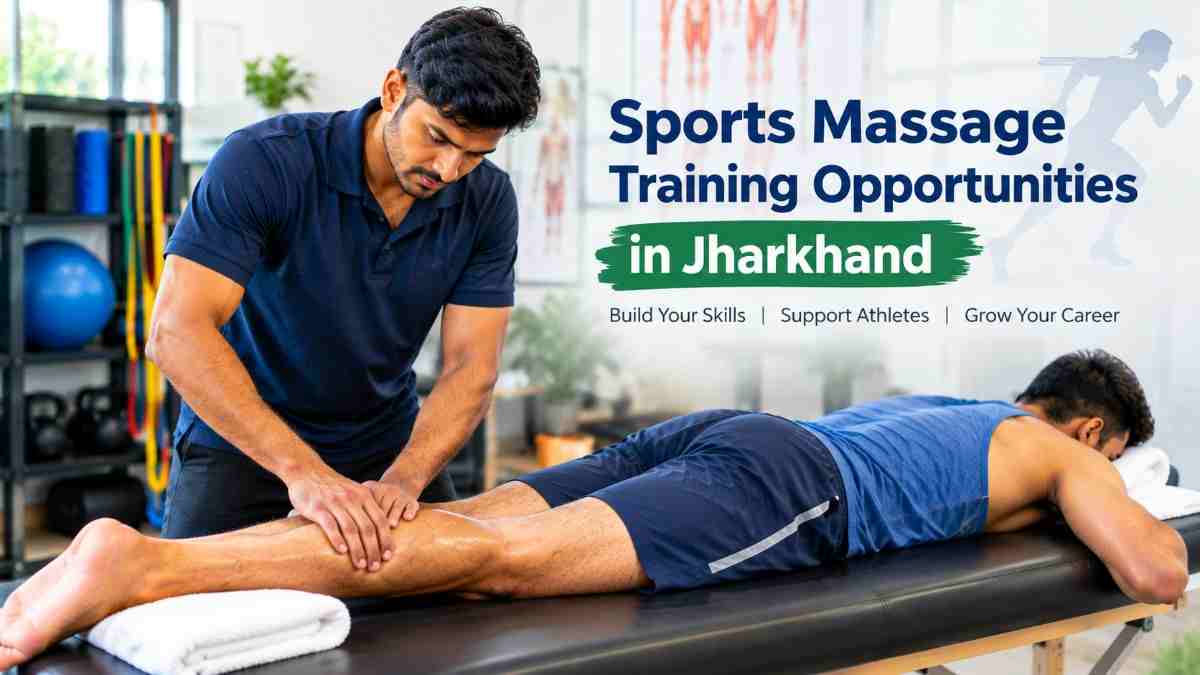
Sports Massage Training in Jharkhand: Courses, Skills & Career Opportunities
Explore sports massage training in Jharkhand, essential skills, course selection, certification checks and career opportunities for aspiring therapists.
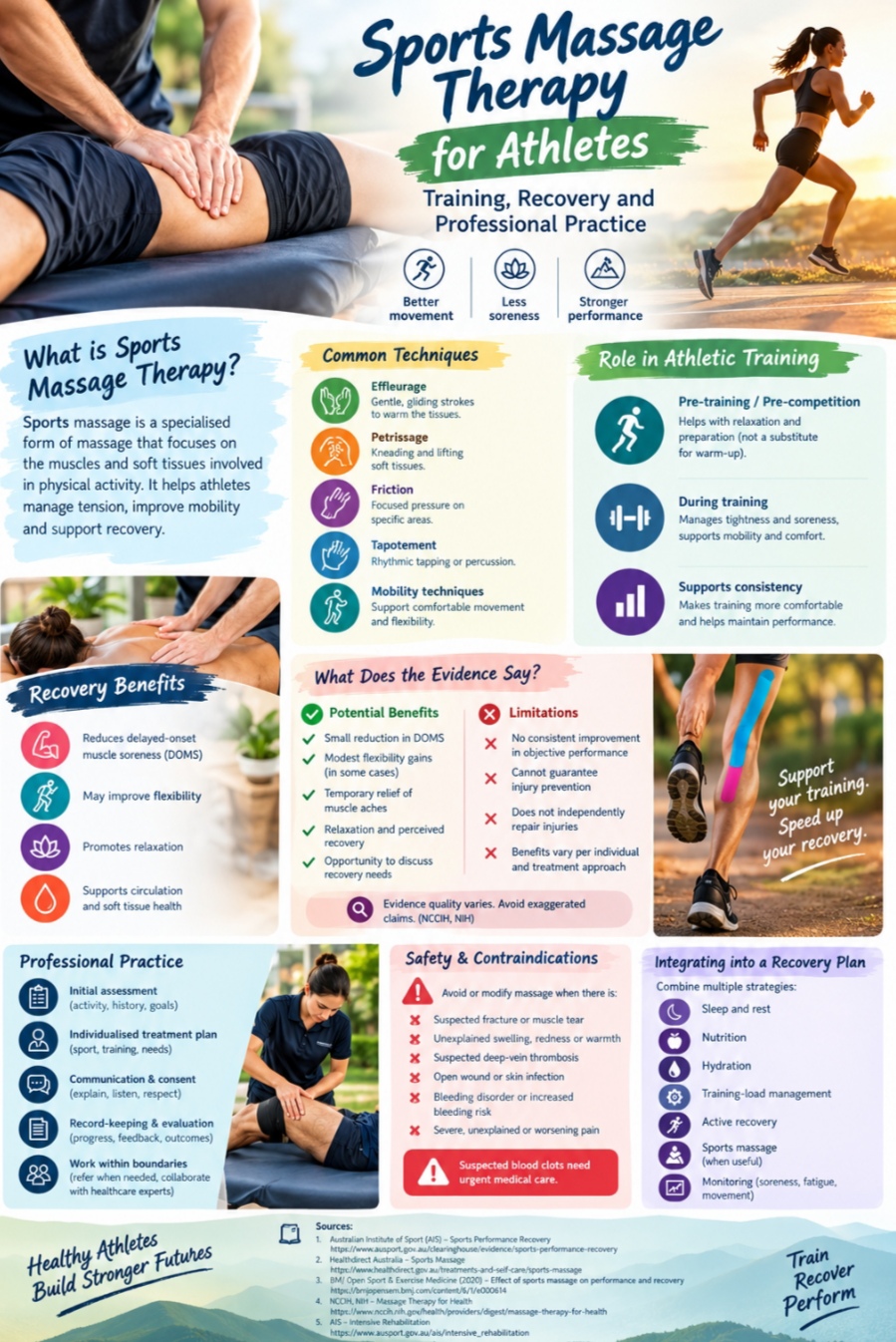
Sports Massage Therapy for Athletes : Recovery and Training
Sports Massage therapy for Athletes: training , Recovery And Professional Practice.Athletes constantly challenge their bodies. Whether a person is pre
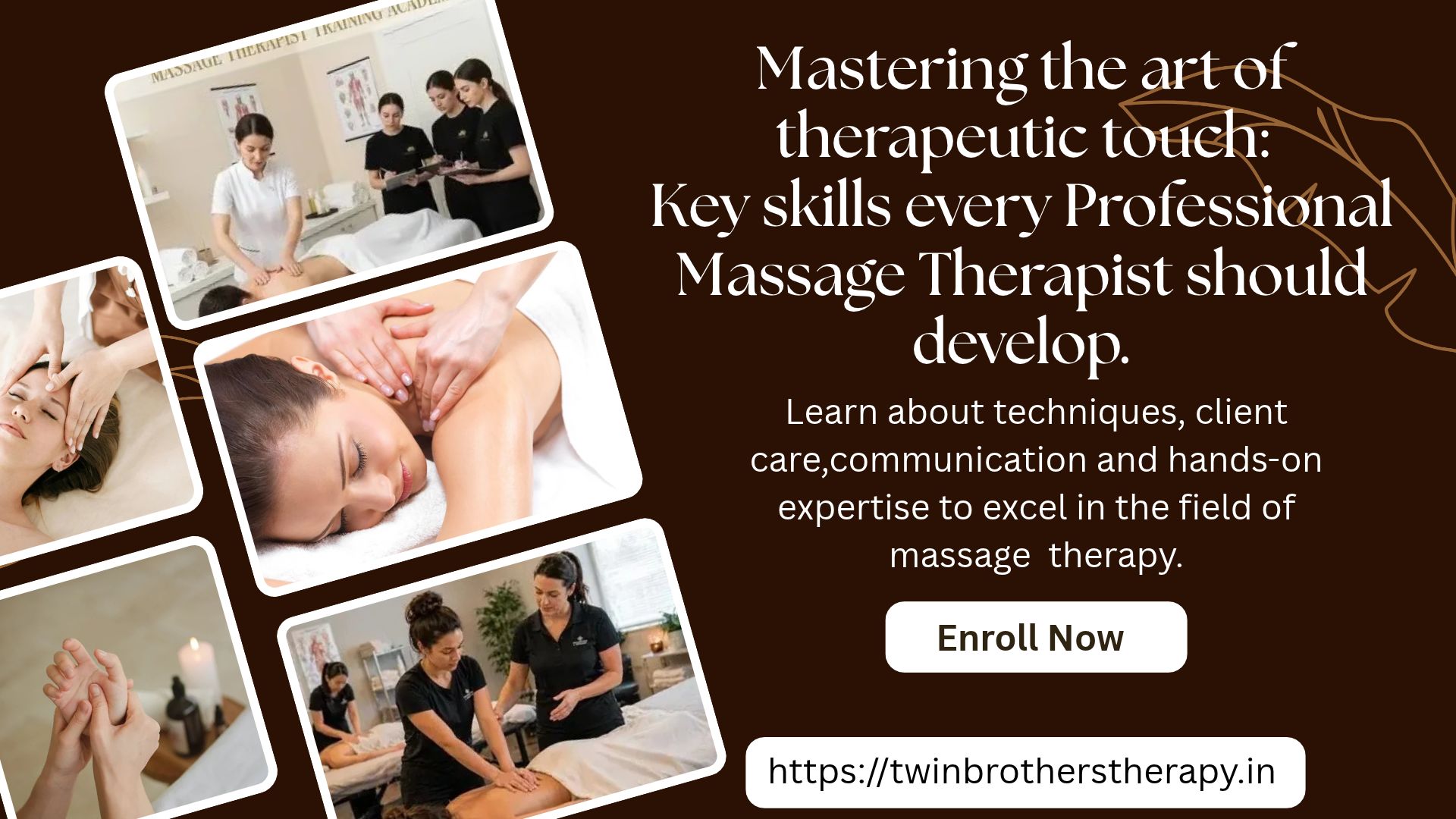
Essential Skills Every Professional Massage Therapist Needs to Master
Want to excel in your massage career? Discover the essential technical, communication, and professional skills required to become a standout, trusted massage therapist.