Sports Massage vs Regular Massage: Techniques, Purpose & Career Scope
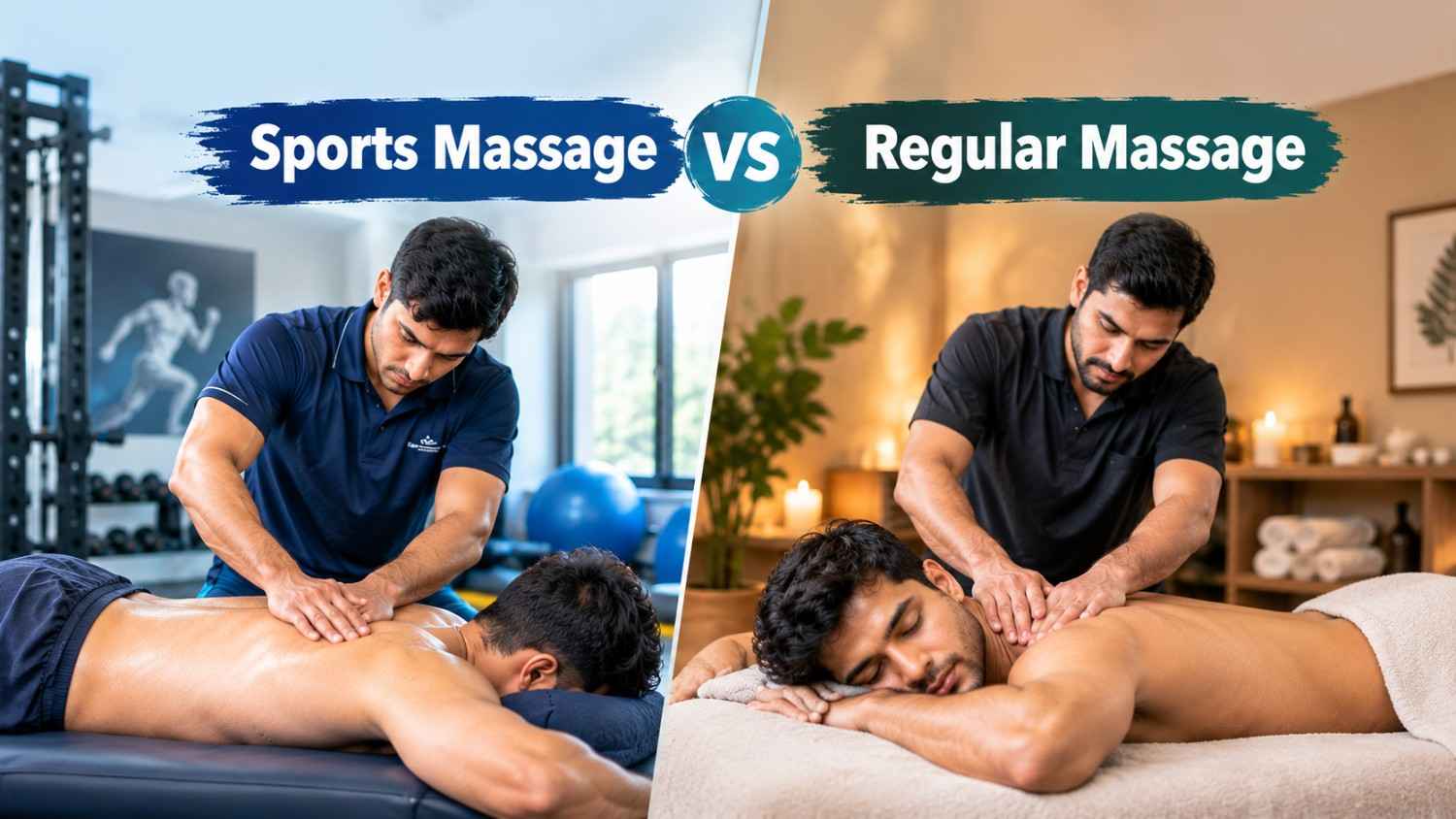
Massage is often associated with relaxation, stress relief, and a soothing experience at a wellness centre. However, massage can also play a role in an athlete’s preparation and recovery routine. This raises an important question: what is the difference between sports massage and regular massage therapy?
Although both involve working with the body's soft tissues, they differ in their primary objectives, session planning, and the way techniques are selected. General massage often focuses on relaxation and overall well-being, while sports massage is adapted to physical activity, training demands, and recovery goals.
Kush Kumar, listed on Twin Brothers Therapy's website under deep tissue therapy, sports therapy, and rehabilitation, works in this specialised area. His listed areas of focus include sports recovery and muscular discomfort. His professional background provides a relevant perspective on why massage techniques should be selected according to an individual's needs rather than applied as a one-size-fits-all routine.
What Is Sports Massage?
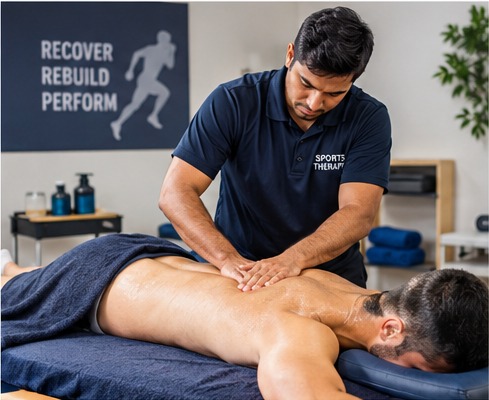
Sports massage is a form of massage therapy adapted to people who participate in physical activity. Its clients may include professional athletes, runners, gym-goers, wrestlers, hockey players, and recreational sports enthusiasts.
The therapist considers factors such as the client's activity, training schedule, muscle groups involved, and treatment goals. For example, runners may want attention directed towards their calves and hamstrings, while hockey players may have different muscular demands involving their hips, shoulders, and back.
Sports massage may be incorporated into a broader recovery routine alongside appropriate training, nutrition, sleep, and medical or physiotherapy support when necessary.
What Is Regular Massage Therapy?
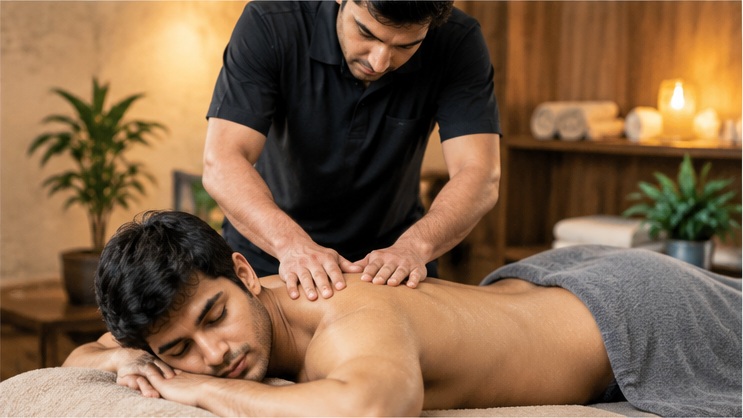
The term “regular massage” is used here to describe general or wellness-focused massage, including relaxation and Swedish massage.
These sessions commonly aim to promote relaxation, ease everyday muscular tension, and improve general comfort. They may appeal to people who sit for long hours, experience work-related stiffness, or simply want a relaxing wellness session.
Techniques may include gentle gliding strokes and kneading, with pressure adjusted to the client's preference.
General massage is not inherently less effective than sports massage. The appropriate choice depends on the intended outcome, the individual's condition, and the therapist's training.
Sports Massage vs Regular Massage: Key Differences:
Neither approach is universally better. The right choice depends on what the individual wants from the session and whether a massage is appropriate for their current condition.
Feature Sports Massage General Massage Primary purpose Support activity-related recovery and muscular comfort Promote relaxation and general well-being Typical clients Athletes and physically active people People seeking relaxation or everyday comfort Session planning May relate to training or competition Usually based on personal preferences Techniques Adapted to the activity and session goal Often relaxation-oriented Pressure Adjusted to the client and treatment objective Adjusted to the massage style and client Timing May occur before or after exercise Scheduled around personal convenience
Common Sports Massage Techniques and Their Purposes:
Sports massage is not a single technique. Practitioners may combine different methods depending on the person's sport, physical demands, and response to treatment.
1. Effleurage: Gliding Strokes
Effleurage uses smooth, gliding movements over soft tissues. It can help introduce touch at the beginning of a session or provide a gentler transition between techniques.
2. Petrissage: Kneading and Lifting
Petrissage involves kneading, lifting, or compressing soft tissues. A therapist may use it on muscle groups that feel tense following physical activity, adjusting the pressure to the client's comfort.
3. Targeted Compression and FrictionCompression applies controlled pressure to selected areas. The therapist may choose it according to muscular demands and the session's purpose. Excessive pressure is not a sign of effective treatment.
4. Gentle Stretching and Movement-Based TechniquesSome sports massage sessions incorporate assisted stretching or comfortable movement to help clients explore their range of motion.
These methods should be introduced carefully and should never force a joint or muscle beyond a comfortable limit. Persistent movement restrictions, significant weakness, or pain following an injury may require assessment by a qualified healthcare professional.
When Is Sports Massage Used?
Pre-Event Massage
Pre-event massage may be used to help athletes feel physically prepared. It should be adapted to the individual and does not replace an appropriate warm-up or sport-specific preparation.
Post-Event MassagePost-event massage may help some people feel more comfortable after strenuous activity. The practitioner should consider the intensity of exercise and whether the client has symptoms that require medical attention.
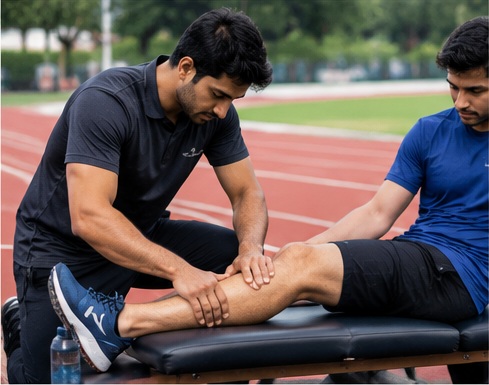
Maintenance Massage
Some athletes use massage periodically during demanding training schedules. The session may focus on areas that feel tense or heavily loaded.However, maintenance massage should not be described as a guaranteed way to prevent injuries. Injury prevention involves several factors, including appropriate training loads, strength, technique, recovery, and clinical guidance when required.
What Does Scientific Research Say About Sports Massage Benefits?
Sports massage is widely used in athletic settings, but it is important to distinguish reported benefits from outcomes demonstrated consistently in research.
A 2020 systematic review and meta-analysis published in BMJ Open Sport & Exercise Medicine examined 29 studies involving 1,012 participants. It found no evidence that massage improved measured strength, jumping, sprinting, endurance, or fatigue outcomes. However, the researchers reported small improvements in flexibility and delayed-onset muscle soreness (DOMS), the soreness that can develop after unfamiliar or strenuous exercise.
These findings suggest that sports massage may offer some benefits for comfort and flexibility, but claims that it directly improves athletic performance should be treated cautiously.The NCCIH notes that some studies suggest short-term relief for certain types of pain, although the strength of the evidence differs.
The practical lesson is that massage should be considered one possible component of a wider wellness or recovery plan rather than a cure, a replacement for rehabilitation, or a guaranteed route to better performance.
Is Sports Massage Suitable for Non-Athletes?
Yes. Sports massage is not limited to professional athletes.
People who exercise regularly, participate in recreational sports, or undertake physically demanding work may be interested in massage techniques adapted to their activity. A person who cycles regularly, for example, may discuss muscular tension associated with their routine, even if they do not compete.
However, the name of the massage does not automatically make it the right choice for every person experiencing muscle pain. A practitioner should understand the client's needs and recognise when symptoms require assessment by a healthcare professional.
People with recent injuries, significant swelling, unexplained pain, suspected blood clots, certain medical conditions, or recent surgery should seek appropriate medical advice before receiving massage.
Safety: What Should Clients Look For?
Before a session, a responsible therapist should ask about relevant health history, current symptoms, and treatment preferences. The practitioner should explain the proposed approach, obtain consent, and invite feedback about pressure.
People with recent injuries, unexplained swelling, open wounds, skin infections, or certain medical conditions should seek suitable advice before massage. Suspected blood clots and severe or unexplained pain require prompt medical assessment.
The NCCIH notes that serious adverse effects are rare but have been reported, particularly with vigorous techniques or in people at increased risk. Clients should check a practitioner's training, experience, hygiene standards, and professional boundaries.
Clients check a practitioner's training, experience, professional boundaries, hygiene practices, and willingness to refer concerns beyond their scope of practice.Career Scope of Sports Massage Therapy in India:
For students and professionals interested in fitness, wellness, and sports support, sports massage can be a specialised career direction. The work combines practical skills with an understanding of anatomy, physical activity, communication, and safe treatment practice.
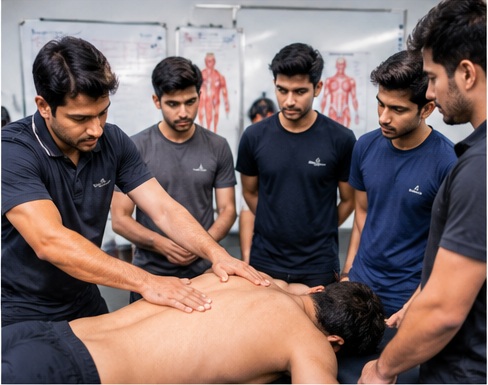
Where Can Sports Massage Therapists Work?
Sports teams and academies: Supporting athletes as part of a wider team that may include coaches, physiotherapists, and sports medicine professionals.
Gyms and fitness centres: Providing appropriate massage services for physically active clients.
Wellness centres: Offering sports massage alongside other massage approaches within the practitioner's training and scope.
Sports events: Working at tournaments or athletic events when suitable opportunities are available.
Private practice: Developing an independent service in accordance with applicable requirements and professional boundaries.
These are potential career settings, not guarantees of employment or a particular income.
What Skills Do Aspiring Therapists Need?
Anyone considering this profession should develop a sound understanding of human anatomy, muscle function, hygiene, consent, contraindications, client communication, and session planning.
Hands-on training and supervised practical experience are particularly important. A practitioner should understand not only how to apply a technique, but also when to modify it, stop treatment, or refer someone for medical assessment.
It is equally important to understand professional boundaries. A sports massage qualification does not automatically qualify someone to diagnose injuries or practise as a physiotherapist or doctor.
In India, the Sports Authority of India’s NSNIS Patiala website records that a three-week Sports Massage skill-development programme, covering basic and advanced training, was conducted twice in 2023 in collaboration with the London School of Massage. This is evidence of a past programme, not confirmation that the same course is currently open for admission. Interested candidates should check official sources for current opportunities and eligibility criteria.
Final Thoughts
The main difference between sports massage and regular massage therapy is the purpose behind the session. General massage often prioritises relaxation and everyday comfort, while sports massage is adapted to physical activity, training demands, and recovery preferences.
Both require suitable technique, communication, and attention to safety. Neither should be judged simply by how much pressure is used.
For clients, the best starting point is to identify their needs and choose an appropriately trained practitioner. For aspiring therapists, sports massage offers a specialist area in which practical skill, sound judgement, and professional boundaries matter just as much as technique.
Frequently Asked Questions:
1. Is sports massage better than regular massage?
Neither is always better. Sports massage is designed around physical activity and recovery goals, while general massage often focuses on relaxation and overall comfort. The appropriate option depends on the individual and their needs.
2. Does sports massage have to be painful?
No. Sports massage should not be defined by painful pressure. Techniques and intensity should be adapted to the client's comfort, the treatment goal, and the condition of the tissues.
3. Can sports massage improve athletic performance?
Current evidence does not show consistent direct improvements in strength, sprinting, jumping, or endurance. Research suggests small benefits for flexibility and delayed-onset muscle soreness, but results should not be overstated.
4. Can someone who does not play professional sports receive sports massage?
Yes. Recreational athletes and physically active people may choose it when they want a session tailored to their activity. A practitioner should assess whether the approach is appropriate for their needs.
5. Does sports massage prevent injuries?
It should not be presented as a guaranteed injury-prevention method. Appropriate training, load management, strength, recovery, and professional assessment when required remain important.
6. What is the difference between sports massage and physiotherapy?
Sports massage primarily involves manual techniques applied to soft tissues. Physiotherapy is a broader healthcare profession that may include assessment, rehabilitation, exercise prescription, and other interventions, depending on the practitioner’s qualifications and scope of practice.
7. What qualifications are needed for a career in sports massage in India?
Requirements can vary by employer and work setting. Aspiring practitioners should research credible training, supervised practical experience, and any qualifications required for their intended role. They should not assume that a short course automatically grants the right to practise in every professional setting.
8. How often should someone get a sports massage?
There is no single schedule suitable for everyone. Frequency depends on activity levels, personal response, treatment goals, and any relevant health considerations. A qualified practitioner can discuss an appropriate approach, with healthcare referral when symptoms warrant it.
Sources:
National Center for Complementary and Integrative Health (NCCIH). Massage Therapy: What You Need to Know.
Davis, H. L., Alabed, S., and Chico, T. J. A. Effect of sports massage on performance and recovery: A systematic review and meta-analysis. BMJ Open Sport & Exercise Medicine, 2020.
Sports Authority of India. NSNIS Patiala.
American Massage Therapy Association. Game Plan: Event Day Sports Massage.
INFLIBNET e-PG Pathshala. Introduction to Massage Therapy.
Twin Brothers Therapy. Therapist Profiles used only to understand the practitioner's publicly listed areas of focus, not as independent verification of personal credentials or achievements.
Key Takeaways
- •sports massage benefits
- •sports massage techniques
- •general massage therapy
- •sports recovery massage
- •massage therapy career scope
- •sports therapist in India
- •Sports massage vs regular massage
Related Articles
Sports Massage Training in Jharkhand: Courses, Skills & Career Opportunities
Explore sports massage training in Jharkhand, essential skills, course selection, certification checks and career opportunities for aspiring therapists.
Massage Therapy Certification in India: What Students Need to Know
Learn about massage therapy certification in India, trainer qualifications, practical training, certificate credibility, and how to choose suitable training.
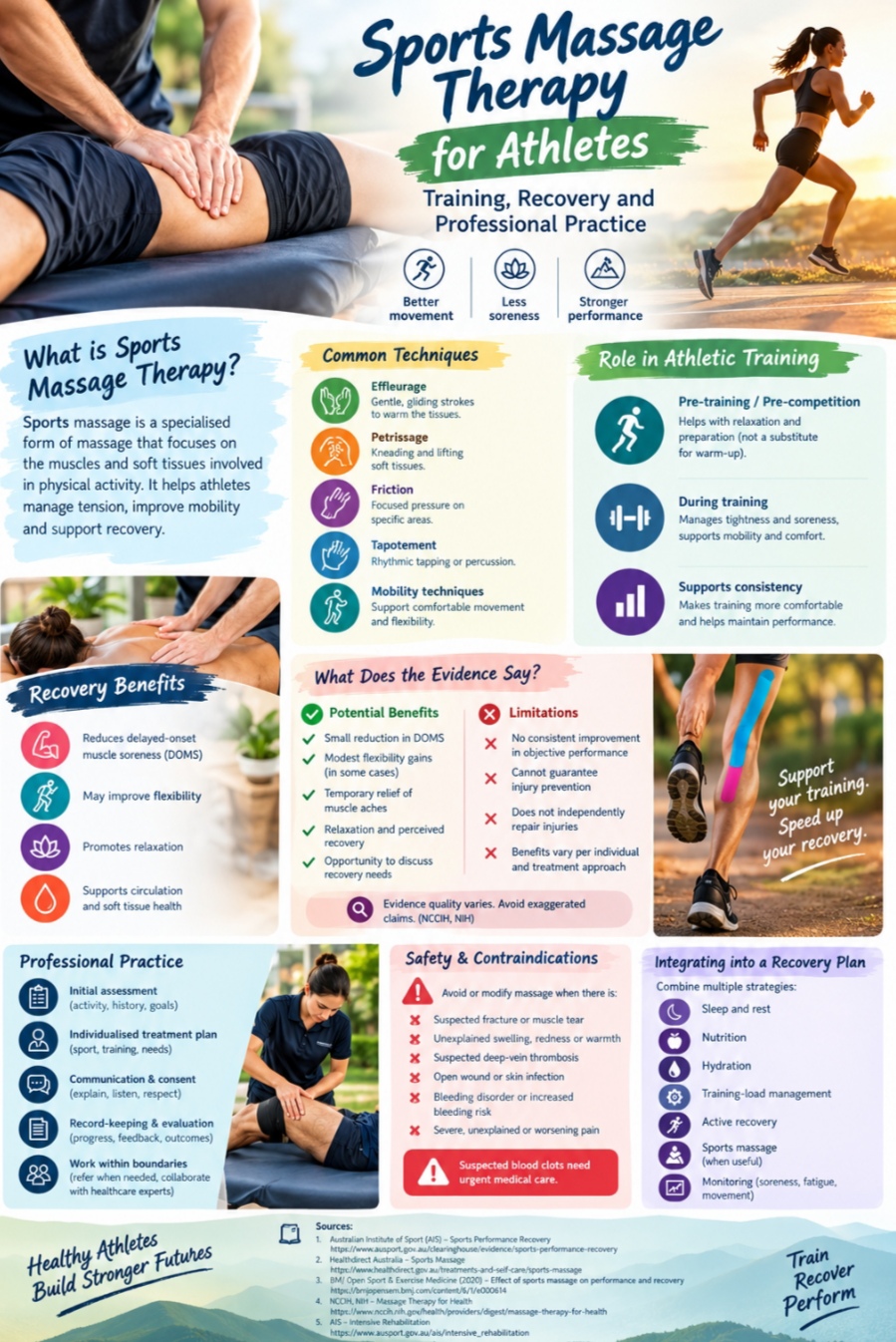
Sports Massage Therapy for Athletes : Recovery and Training
Sports Massage therapy for Athletes: training , Recovery And Professional Practice.Athletes constantly challenge their bodies. Whether a person is pre