Why Practical Training Is Essential in Massage Therapy Education
Massage therapy is a practical profession that requires more than theoretical knowledge. While understanding massage techniques, body systems, and therapeutic principles is important, students also need hands-on experience to develop the skills required for professional practice.
Practical training in massage therapy education allows students to apply what they learn in the classroom, improve their techniques, and understand how to work safely with different clients. From learning correct hand movements to identifying muscle groups and practising under experienced instructors, hands-on education plays a vital role in preparing students for a successful career.
In this blog, we explore why practical training, anatomy knowledge, and supervised practice are essential components of quality massage therapy education.
Hands-On Training Develops Essential Massage Skills
Hands-on training is one of the most important aspects of massage therapy education. Students need opportunities to practise techniques such as effleurage, petrissage, friction, and other appropriate massage methods to develop control, coordination, and consistency.
Reading about a technique can help students understand its purpose, but performing it allows them to experience pressure, rhythm, positioning, and movement in practice.
Through regular practical sessions, students can learn to:
1.Apply appropriate massage pressure and technique.
2.Improve hand coordination and body mechanics.
3.Maintain comfortable and effective positioning.
4.Recognise when a technique needs adjustment.
5.Develop smoother, more controlled movements.
Repeated practice also helps students become more comfortable performing massage techniques. This experience creates a strong foundation for further learning and professional development.
Anatomy Knowledge Supports Safe and Effective Treatment
A strong understanding of human anatomy is essential for massage therapists. Knowledge of muscles, bones, joints, connective tissues, and major body systems helps students understand how the body functions and how massage techniques may affect different areas.
For example, understanding the location and function of the trapezius, hamstrings, and quadriceps helps students identify the relevant muscle groups when working with a client's stated concerns.
Anatomy education also helps students recognise areas that require caution and understand when massage may be inappropriate. Students should learn to consider contraindications, avoid unsafe pressure, and refer clients to an appropriate healthcare professional when necessary.
Combining anatomy theory with practical training helps students connect classroom learning to real situations. This approach encourages more informed decisions and supports safe, client-centred massage practice.
Supervised Practice Builds Confidence and Competence
Supervised practice allows students to develop their skills under the guidance of qualified instructors. During practical sessions, instructors can demonstrate techniques, observe student performance, identify mistakes, and provide constructive feedback.
This guidance is especially valuable when students are learning pressure control, posture, client positioning, and appropriate communication.
Supervised practice helps students:
1.Correct technical mistakes before they become habits.
2.Improve their understanding of massage procedures.
3.Develop professional confidence through guided experience.
4.Learn to follow hygiene, safety, and ethical standards.
5.Understand how to respond to client feedback.
Rather than relying on trial and error alone, students receive structured guidance that supports continuous improvement. This makes supervised practice an essential part of effective massage therapy training.
Practical Training Prepares Students for Real-World Clients
Every client has different needs, preferences, comfort levels, and health considerations. Practical training helps students understand that massage therapy should not follow a one-size-fits-all approach.
Students can learn to communicate clearly, ask relevant questions, explain the proposed treatment, obtain informed consent, and respect personal boundaries. They can also practise adapting their approach to a client's comfort and feedback.
Realistic training scenarios help students develop important professional skills, including:
1.Client consultation and communication.
2.Professional conduct and confidentiality.
3.Time management during treatment sessions.
4.Appropriate draping and respect for client privacy.
5.Recognising when to modify or stop a technique.
These skills are essential because successful massage therapy involves both technical ability and a professional approach to client care.
Feedback and Repetition Encourage Continuous Improvement
Developing massage therapy skills takes time and consistent effort. Practical training provides students with opportunities to repeat techniques, evaluate their progress, and improve areas that need attention.
Feedback from instructors can help students identify issues such as excessive pressure, poor posture, inconsistent movements, or ineffective hand placement.
With continued practice, students can make adjustments and develop better technique. They also learn the importance of maintaining their own physical well-being through proper body mechanics and ergonomic positioning.
A structured learning environment encourages students to treat feedback as an opportunity for improvement rather than a setback. This mindset supports lifelong learning and helps prepare graduates for the changing needs of professional practice.
Practical Education Reinforces Hygiene, Safety, and Professional Ethics
Massage therapists work in close physical contact with clients, making hygiene, safety, and professional boundaries essential parts of their education.
Practical sessions allow students to practise cleaning and preparing treatment areas, maintaining appropriate personal hygiene, using clean linens, and following relevant infection-prevention procedures.
Students should also learn to obtain informed consent, protect client information, respect boundaries, and communicate professionally throughout each session.
By integrating these practices into hands-on learning, educators help students develop responsible habits before they enter a professional workplace.
How to Choose a Massage Therapy Training Program
Students who want to pursue massage therapy as a career should look for a program that combines theoretical instruction with meaningful practical experience.
When evaluating a course, consider the following factors:
Practical learning opportunities: Check whether the course includes regular hands-on sessions.
Anatomy and physiology education: Look for clear instruction in muscles, joints, body systems, and relevant safety considerations.
Qualified supervision: Confirm that practical sessions are guided by appropriately qualified instructors.
Constructive feedback: Choose a learning environment that supports skill development and correction.
Professional standards: Ensure the curriculum covers hygiene, communication, consent, ethics, and client safety.
Practical assessment: Look for opportunities to demonstrate skills and receive feedback against clear learning objectives.
A balanced training program can help students build the knowledge, practical ability, and professional habits needed to continue developing in the field.
Conclusion
Practical training is a fundamental part of massage therapy education because it connects theoretical knowledge with real-world skills. Hands-on experience develops technique, anatomy knowledge supports informed decisions, and supervised practice helps students improve their confidence and competence.
Together, these learning components prepare students to approach massage therapy with greater care, professionalism, and awareness of client needs.
For anyone considering a career in massage therapy, choosing an education program that prioritises practical experience is an important step towards building a strong foundation for long-term professional growth.
Investing in practical massage therapy education means investing in better skills, safer practice, and more confident professionals.
Key Takeaways
- •Hands-on training helps students develop essential massage therapy techniques.
- •Anatomy knowledge supports safe, effective, and targeted massage treatments.
- •Supervised practice improves technique, confidence, and professional skills.
- •Practical experience prepares students for real-world client interactions.
- •Consistent feedback helps students improve their performance and maintain professional standards.
Related Articles
Sports Massage Training in Jharkhand: Courses, Skills & Career Opportunities
Explore sports massage training in Jharkhand, essential skills, course selection, certification checks and career opportunities for aspiring therapists.

Massage Therapy Certification in India: What Students Need to Know
Learn about massage therapy certification in India, trainer qualifications, practical training, certificate credibility, and how to choose suitable training.
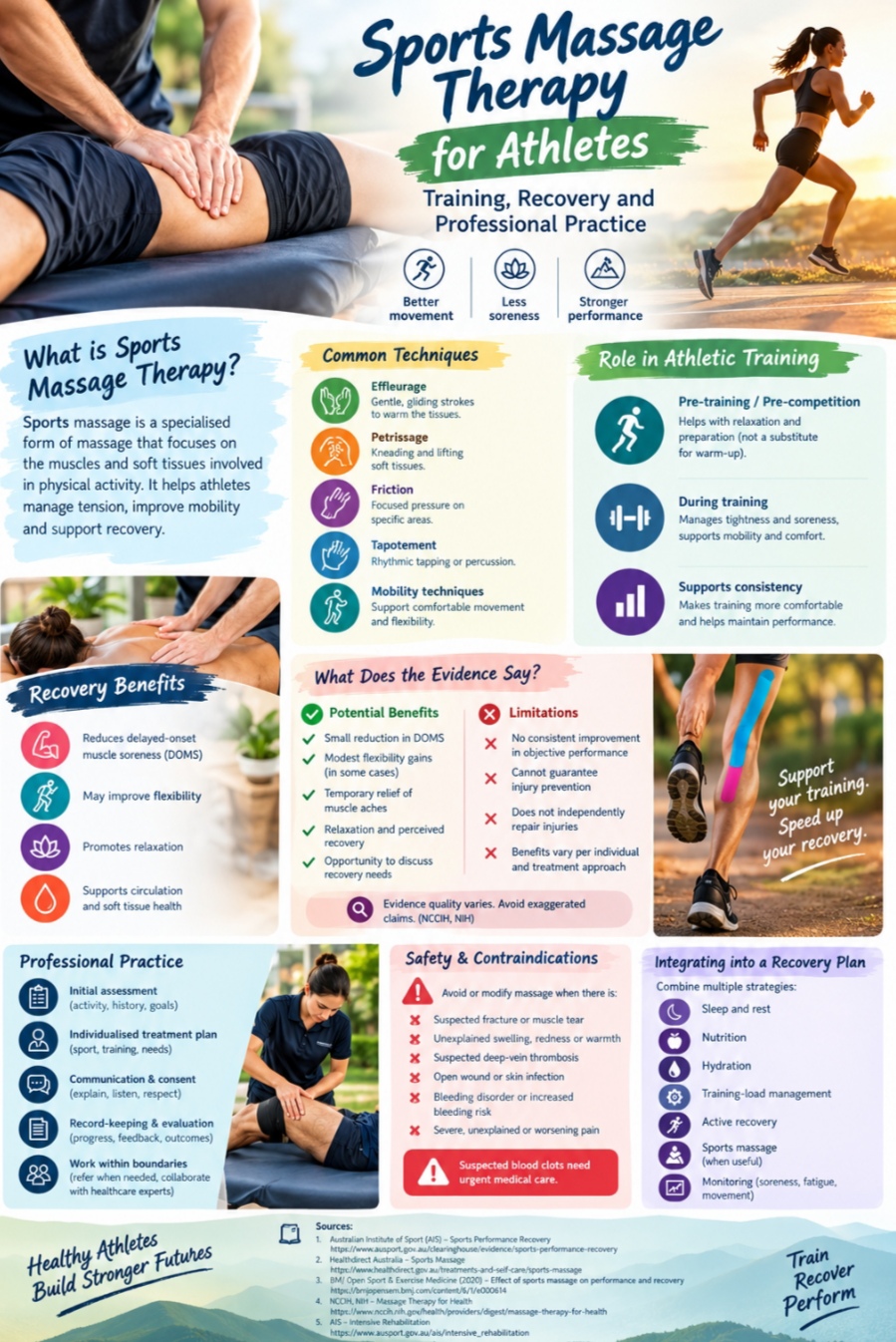
Sports Massage Therapy for Athletes : Recovery and Training
Sports Massage therapy for Athletes: training , Recovery And Professional Practice.Athletes constantly challenge their bodies. Whether a person is pre